

Russian Paralympic athletes earned the second-place team ranking at the international blind sports judo event held in Astana
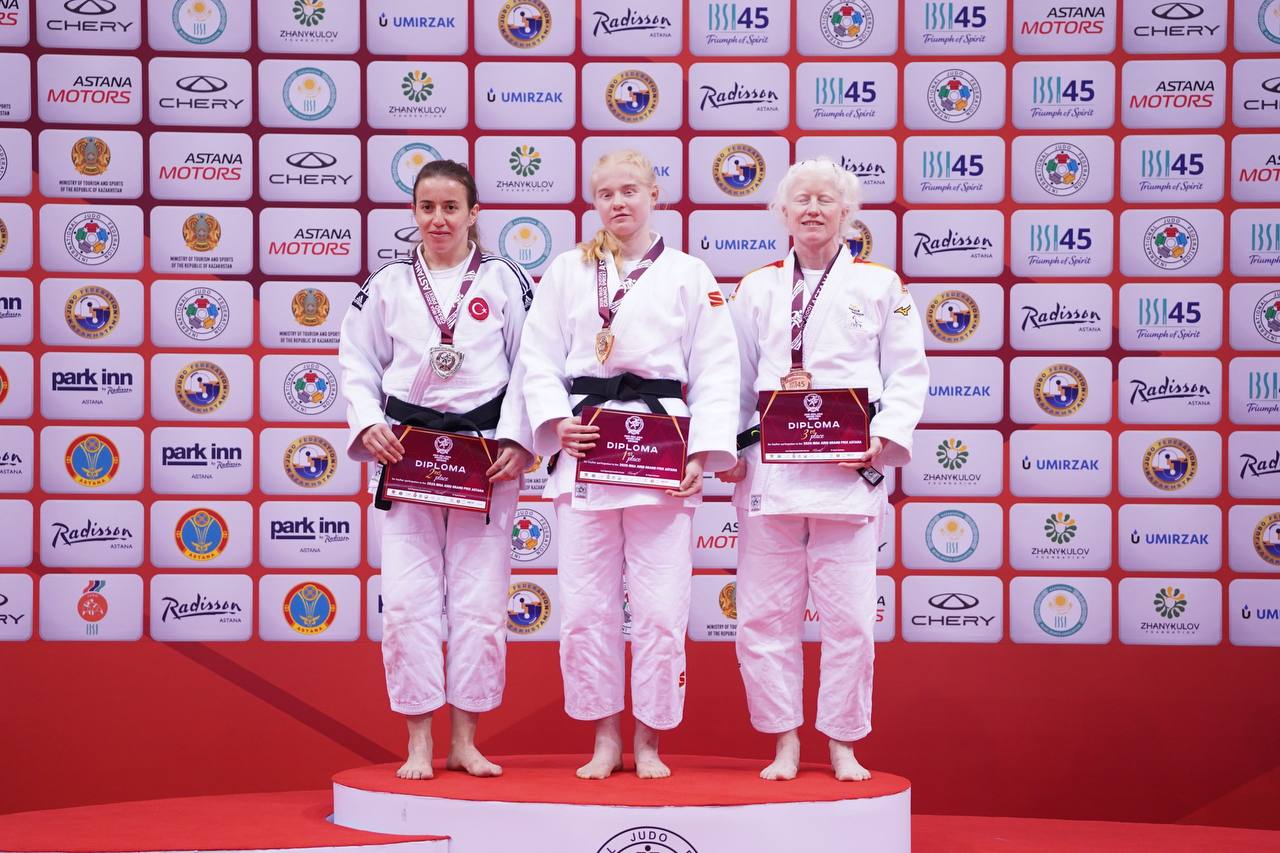
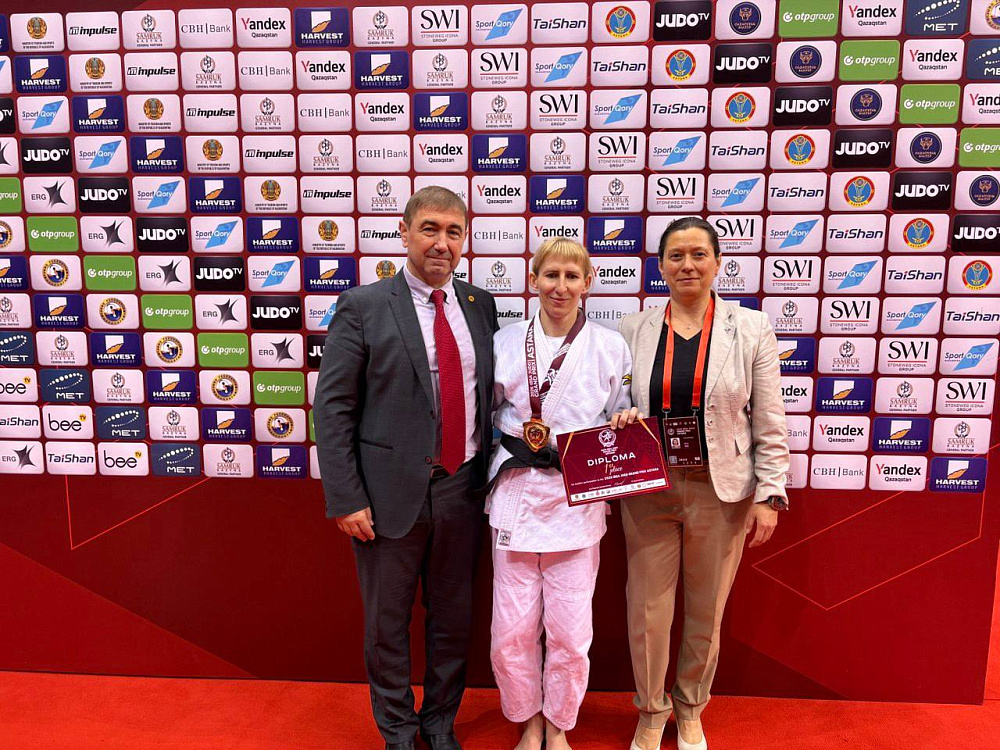
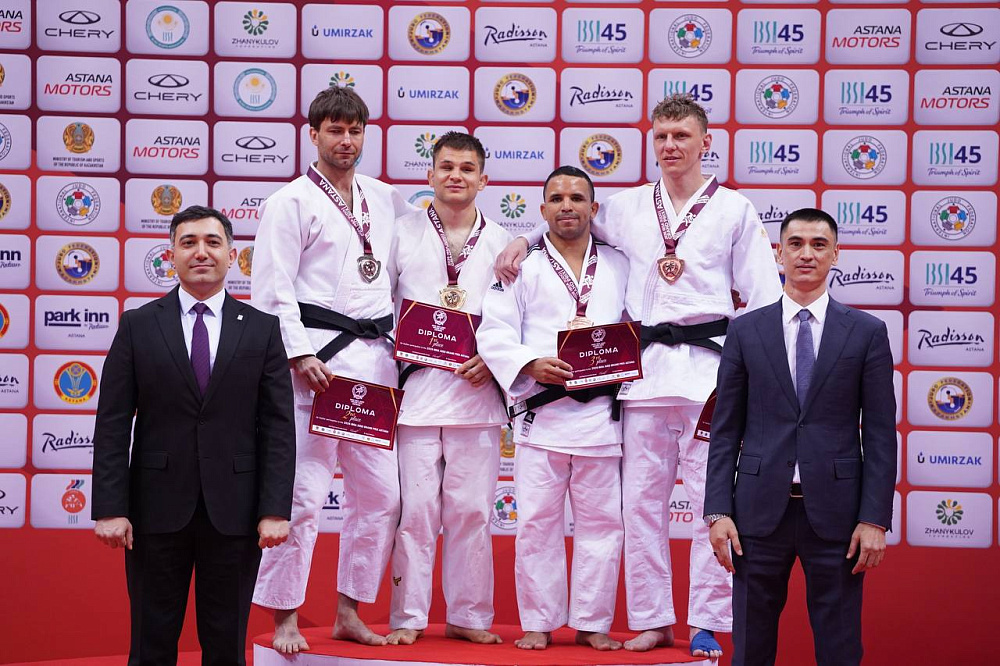
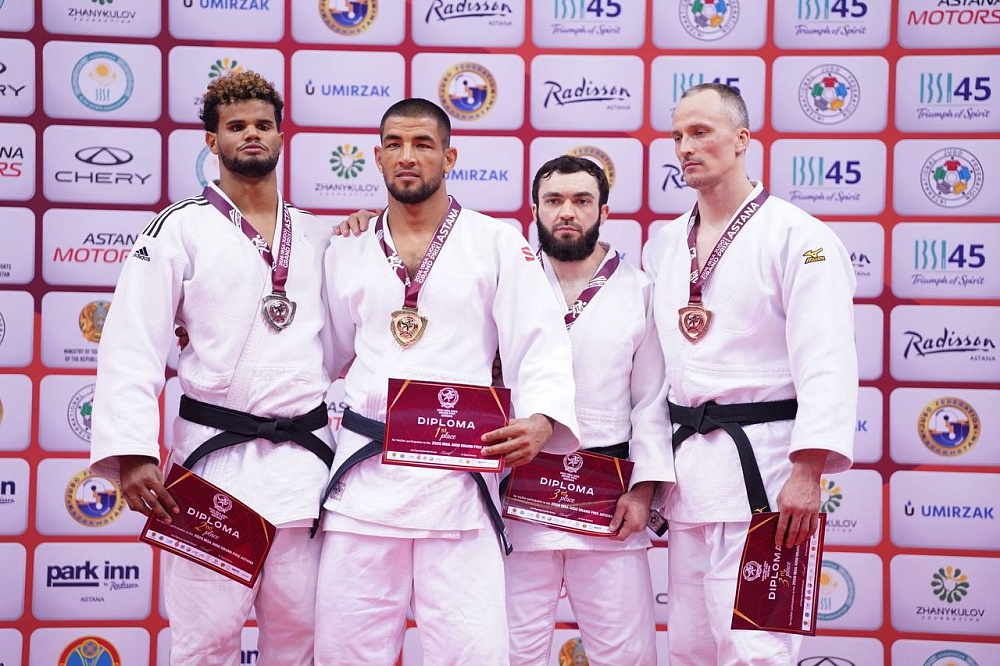
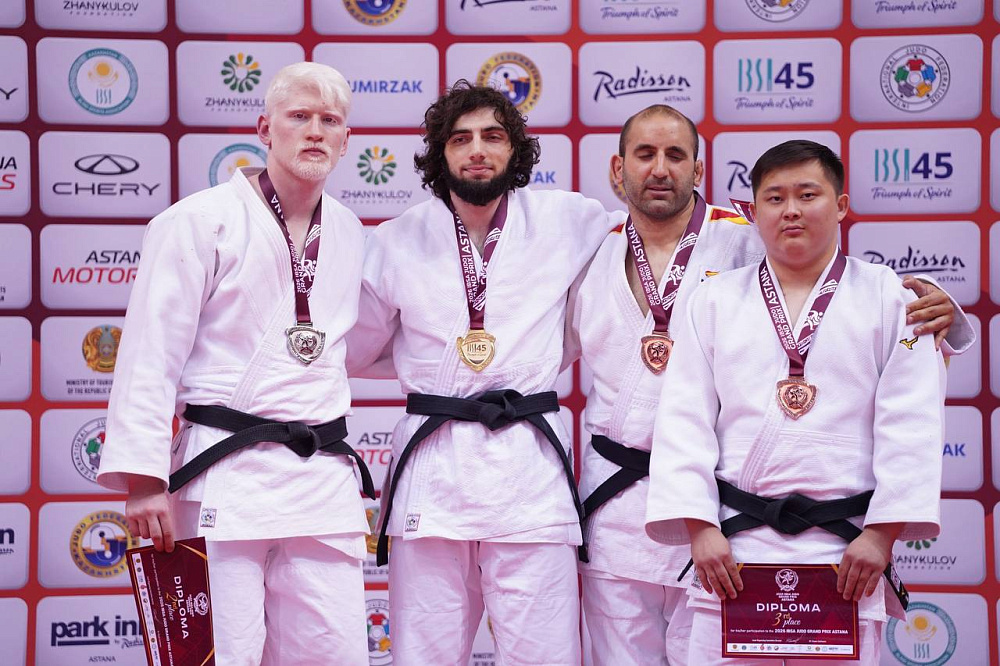
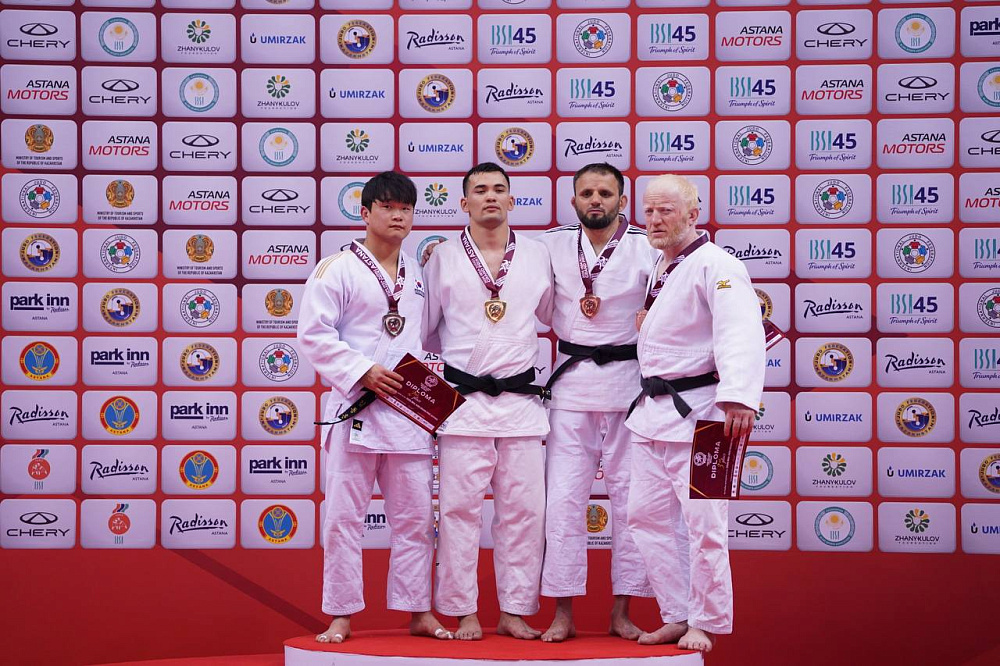
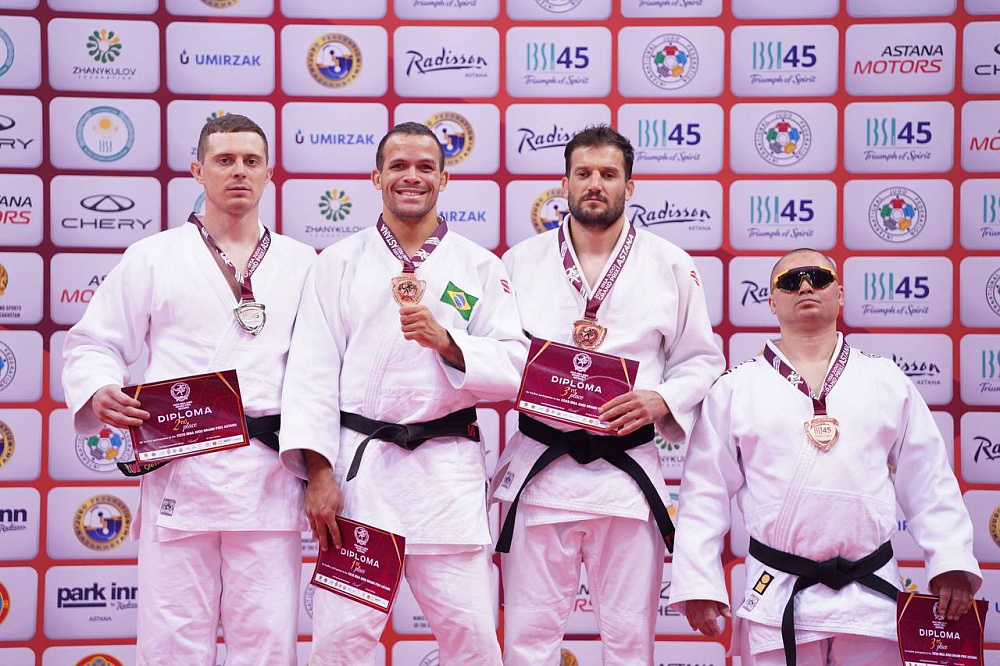
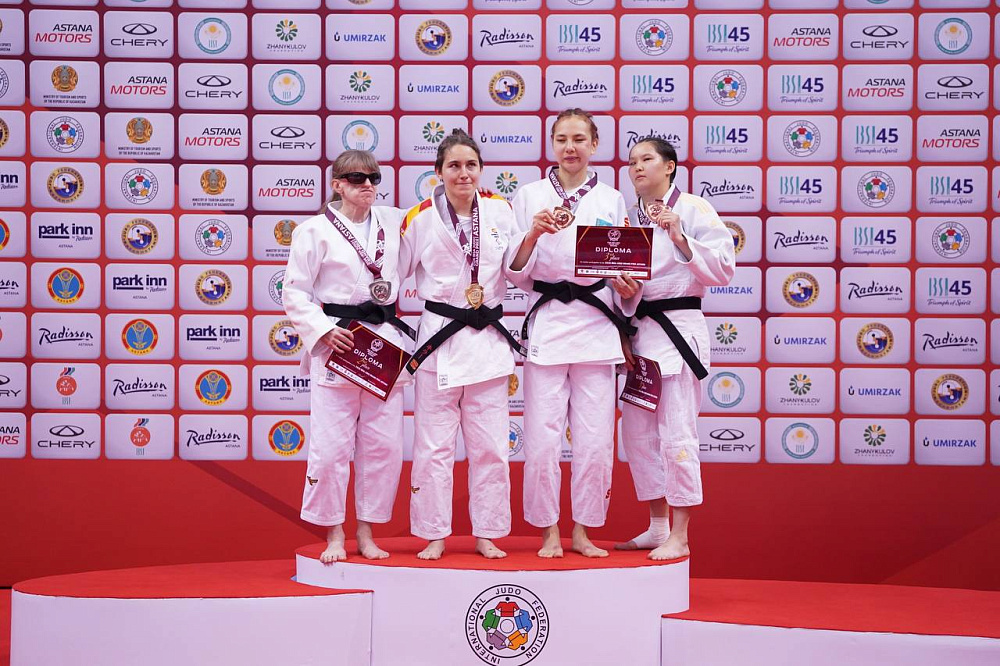
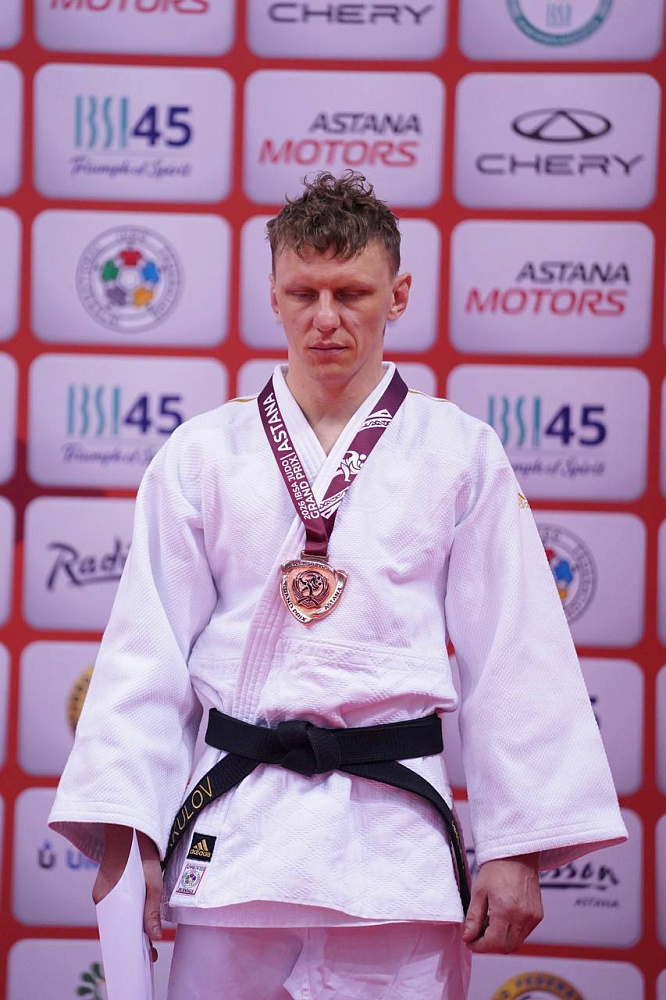
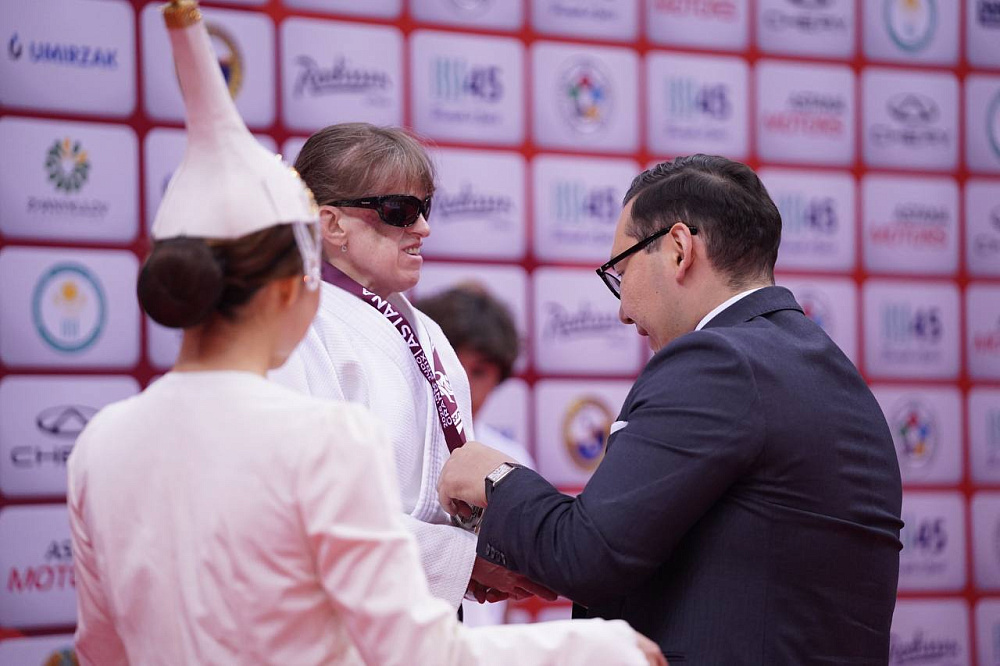
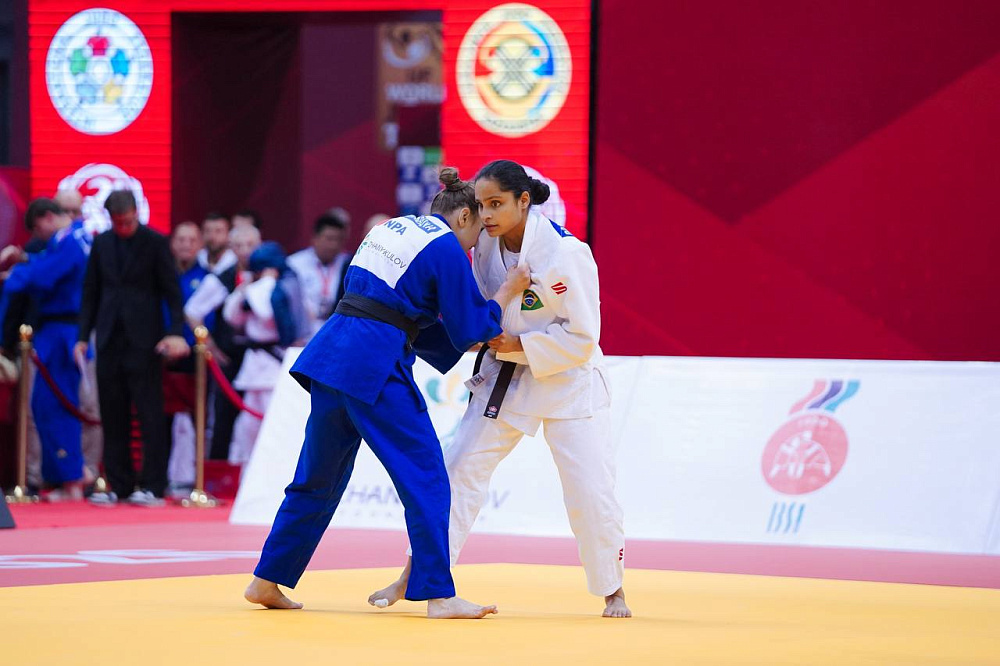
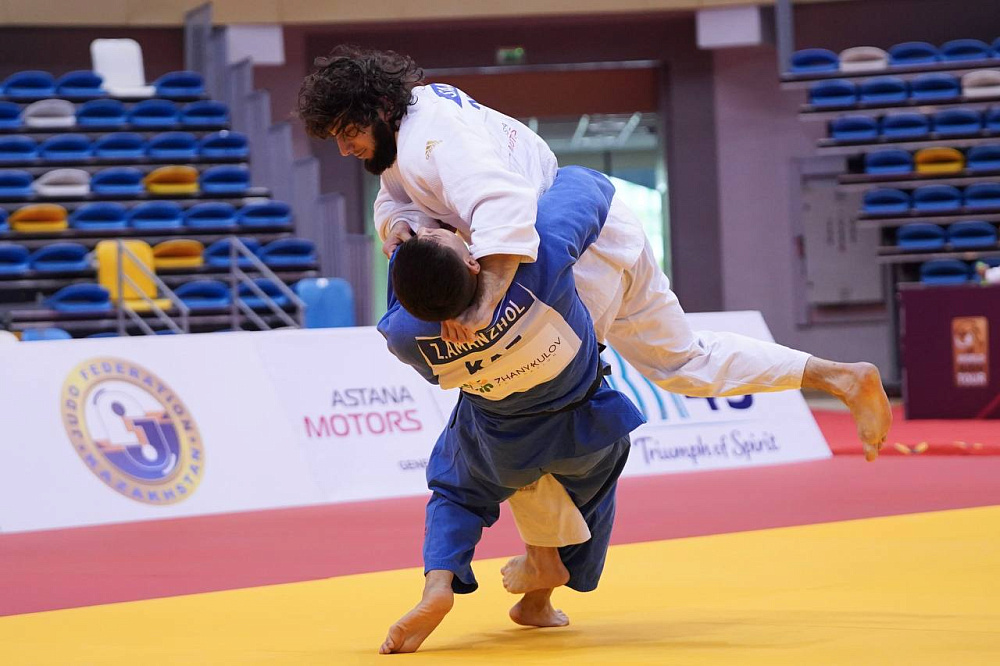
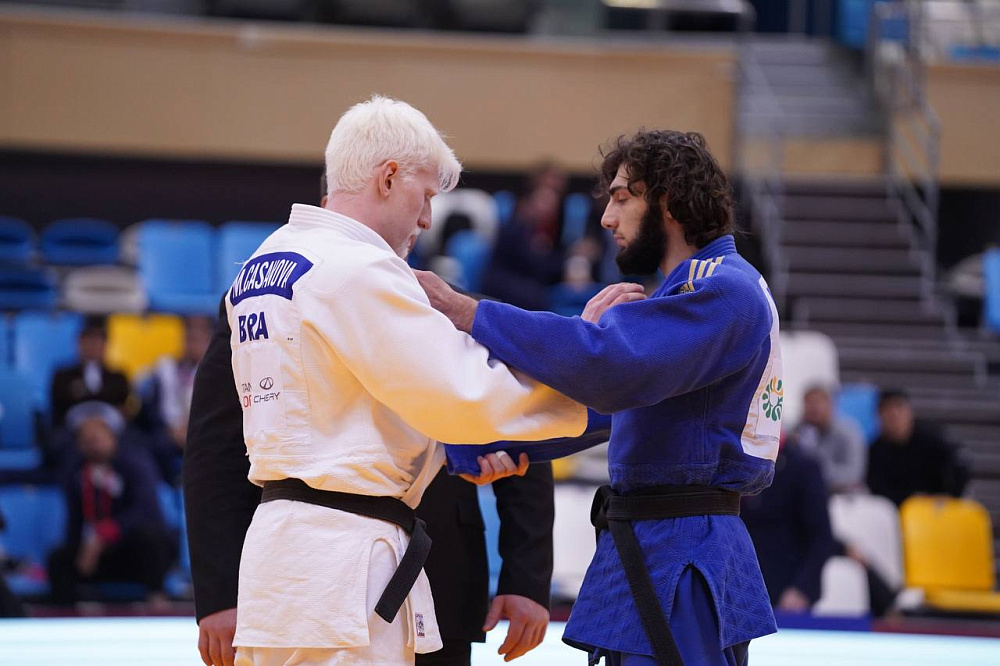
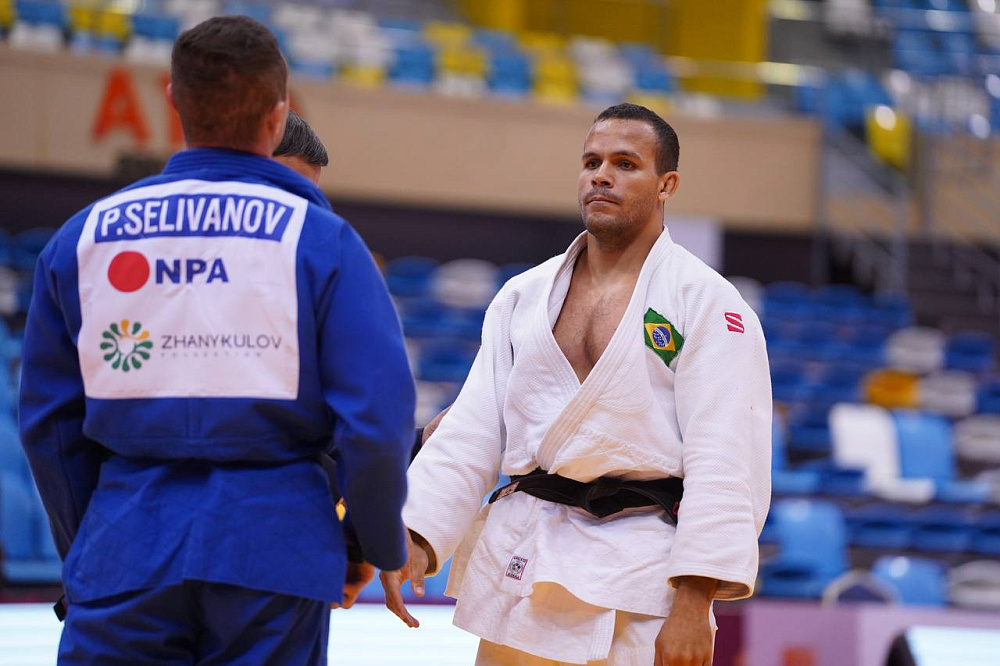
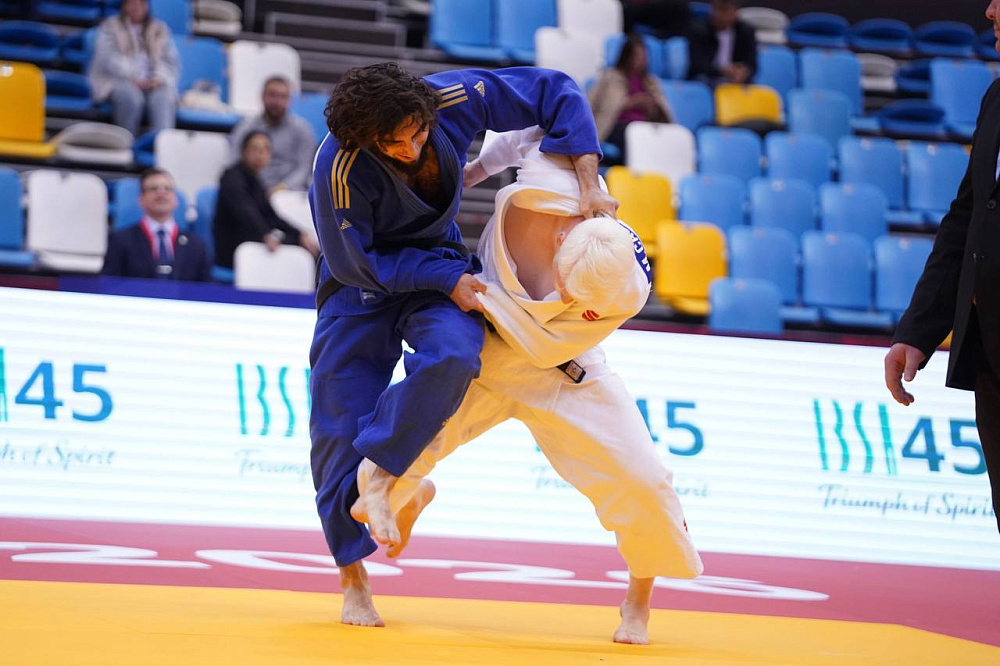
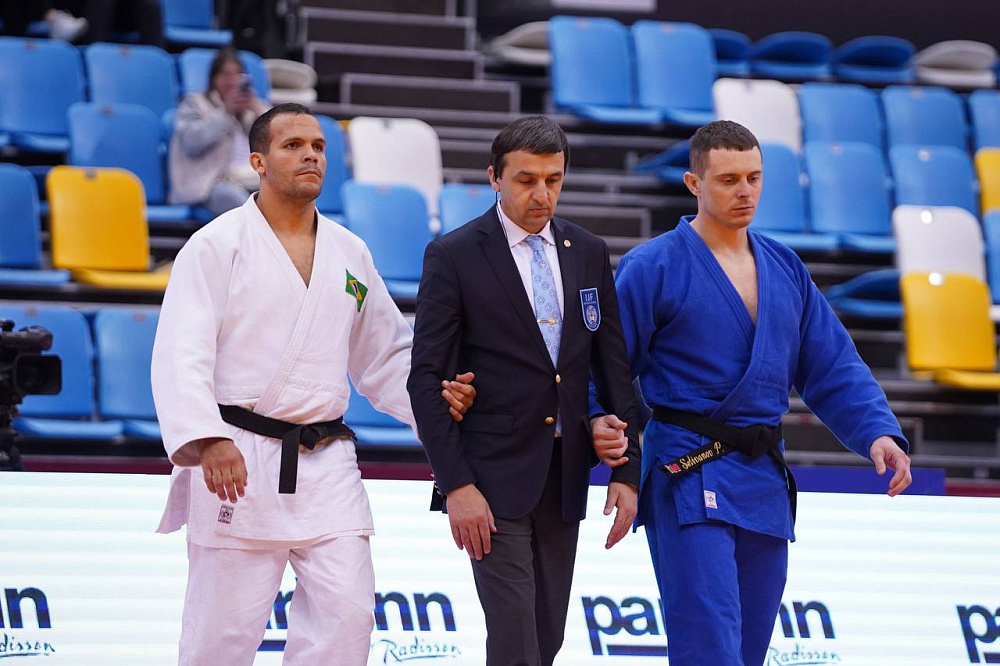
From May 12 to 13, the international judo competition for athletes with visual impairments, the "2026 IBSA JUDO GRAND PRIX ASTANA," was held in Astana (Republic of Kazakhstan) under the auspices of the International Blind Sports Federation (IBSA).
Russian judokas won 12 medals: 3 gold, 3 silver, and 6 bronze.
In the team standings, the Russian team finished second, losing only to the team from Brazil (5 gold, 5 silver, and 2 bronze medals). The national team of Kazakhstan finished third (3 gold, 2 silver, 8 bronze).
Winners and prize-winners of the competition:
1st place — Alesya Stepanyuk — up to 52 kg (J2)
1st place — Daria Stakanova — up to 60 kg (J2)
1st place — Magomedkhabib Saaduyev — up to 95 kg (J2)
2nd place — Viktor Rudenko — up to 70 kg (J1)
2nd place — Viktoria Potapova — up to 52 kg (J1)
2nd place — Pavel Selivanov — up to 95 kg (J1)
3rd place — Alexander Zhuzhgov — up to 81 kg (J1)
3rd place — Magomedzakir Magomedov — up to 70 kg (J1)
3rd place — Saado Abdurakhmanov — up to 81 kg (J2)
3rd place — Shakhban Kurbanov — up to 81 kg (J2)
3rd place — Artyom Merkulov — up to 70 kg (J1)
3rd place — Yaroslav Andrievsky — up to 95 kg (J1)
The Russian Paralympic Committee congratulates the athletes and coaches on winning their well-deserved awards and wishes them success in future competitions!
Based on materials from the Russian Federation of Blind Sports.
Photo: Nurgali Zhumagazy / IBSA JUDO
Blind judo first appeared on the Paralympic program at the 1988 Seoul Games. Women’s judo competitions were first held at the 2004 Athens Paralympics. The main rule difference is that judokas begin competing while holding each other’s judogi (this grip is called "kumikata"); if contact is broken, the referee commands "Matte" (wait), or "stop," and the athletes return to the starting position. During a five-minute match, participants earn points for throws, holds, sweeps, and chokeholds. The judoka with the highest total points is declared the winner. The main distinction from other elite judo competitions is the allowance for athletes to make contact with their opponent before the match starts for orientation purposes. At the XVI Summer Paralympic Games in Tokyo, Viktoria Potapova, Alesya Stepanyuk, and Anatoly Shevchenko won bronze medals.