

5 medals won by blind sports judo athletes at the World Championships in Georgia
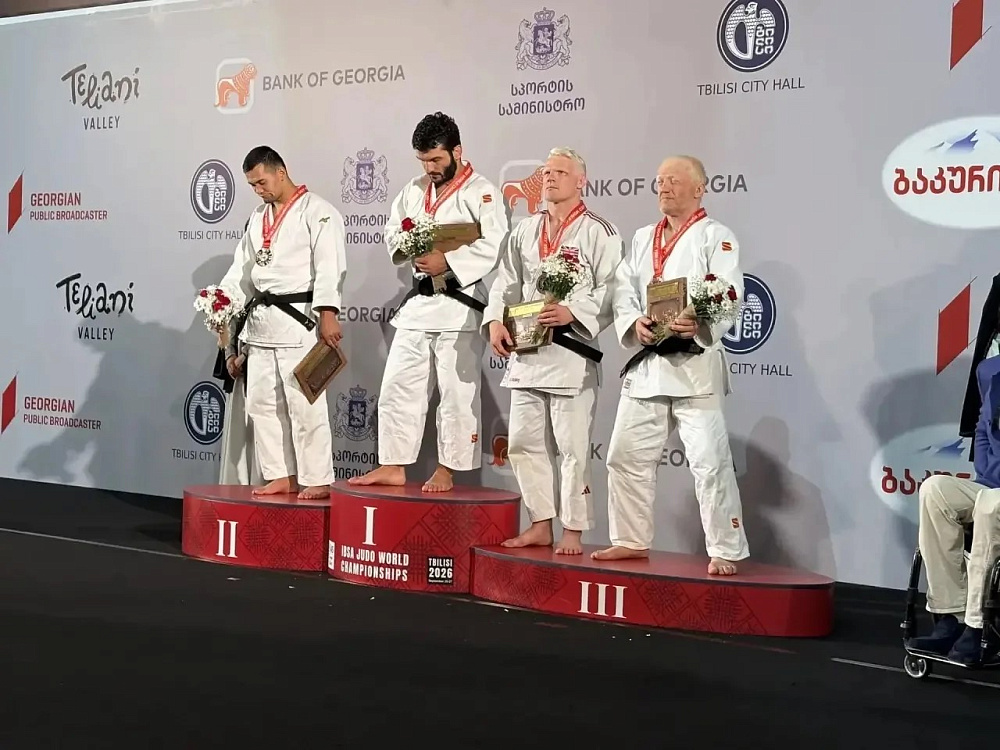
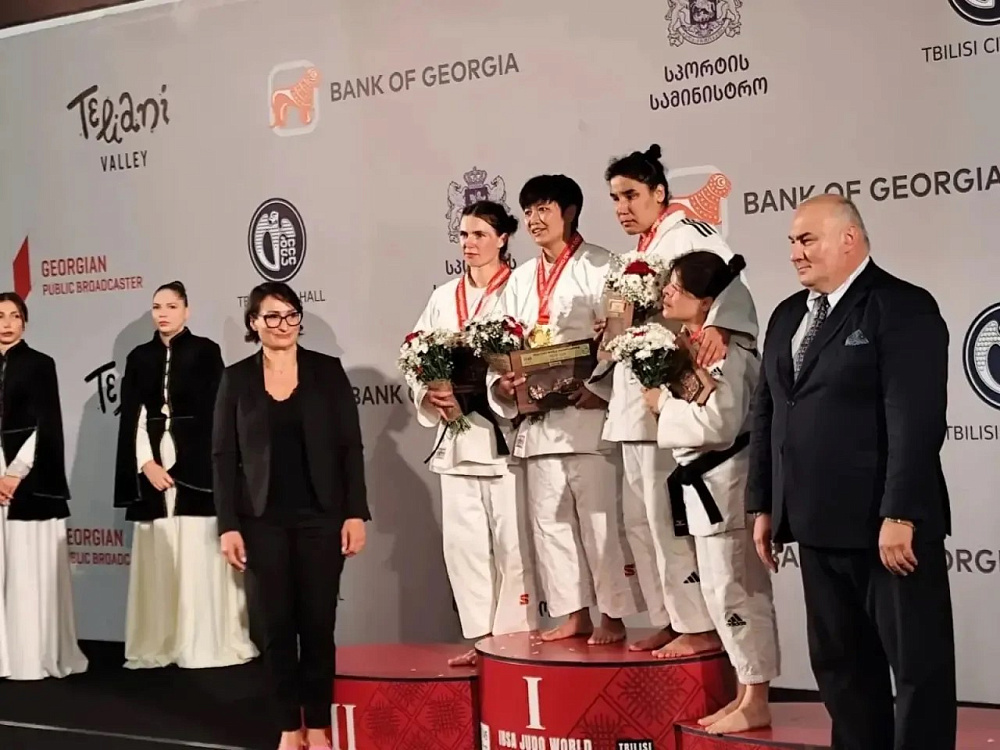
From September 25 to 27, the World Judo Championships were held in Tbilisi (Georgia).
On September 26, the second day of competition, Russian blind sports judo athletes won 2 awards: Natalya Ovchinnikova took second place on the podium in the J1W 60 kg category, and Shakhban Kurbanov became a bronze medalist in the J2M 81 kg category.
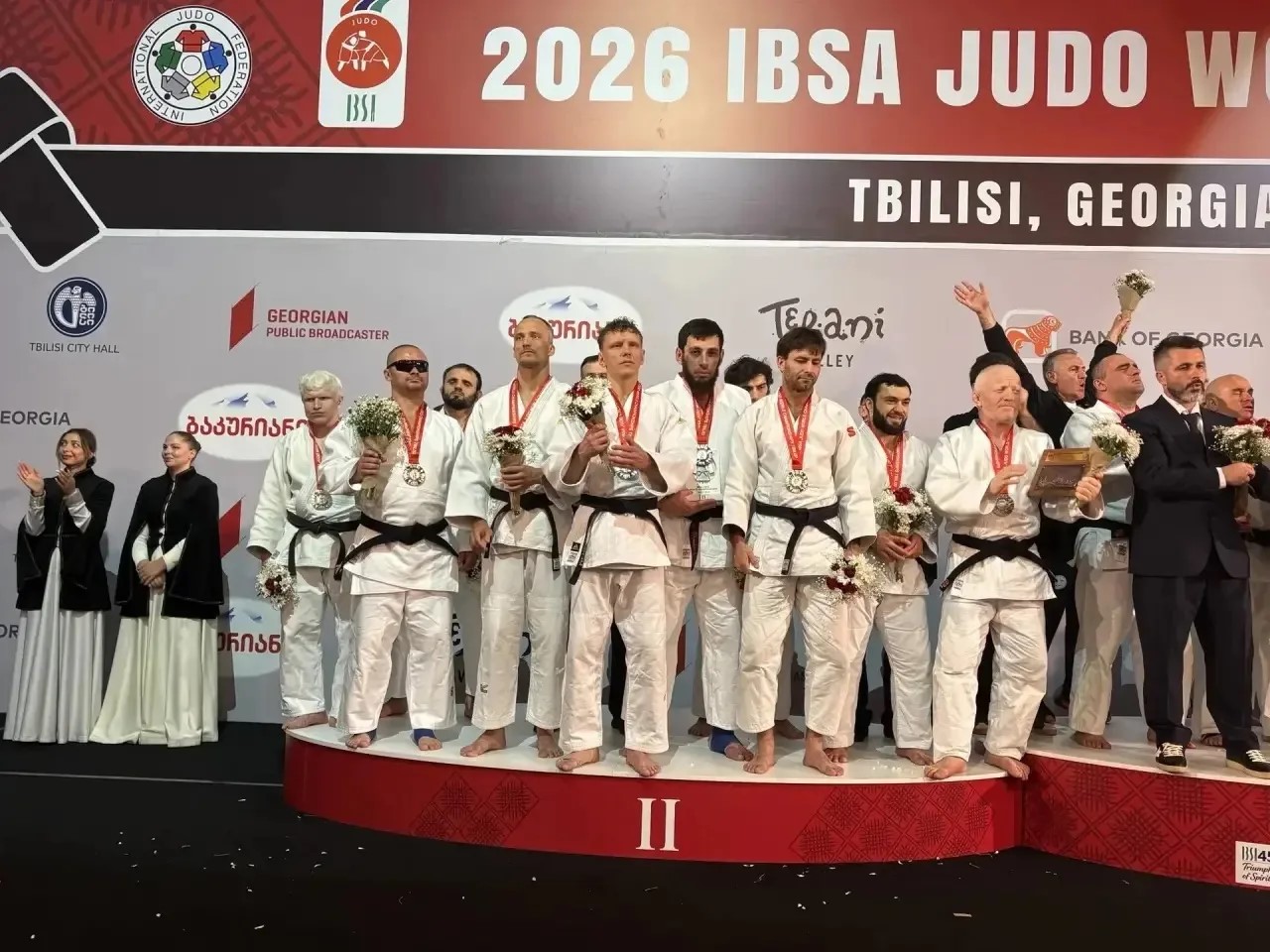
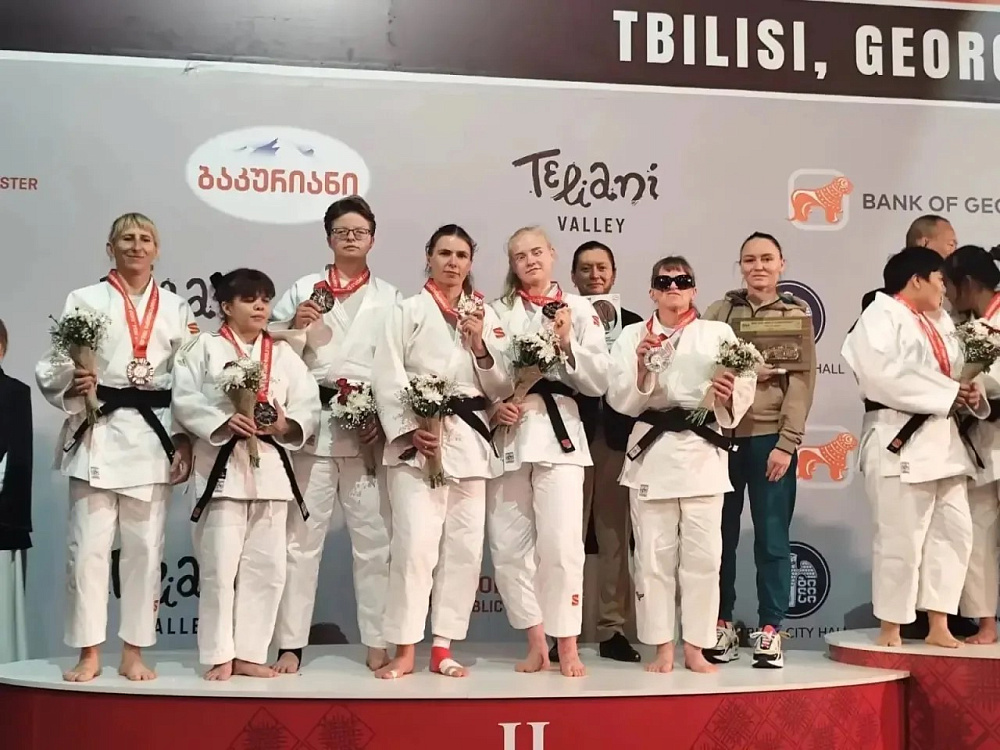
Based on the results of the team competitions, which took place on September 27, the Russians took both second-place podium spots – both men and women.
The women's team included Victoria Potapova, Aminat Omarova, Alesya Stepanyuk, Natalya Ovchinnikova, Darya Stakanova, and Polina Marchukova.
The men's team included Viktor Rudenko, Artyom Merkulov, Abdula Omarov, Alexander Zhuzhgov, Magomedzakir Magomedov, Saado Abdurakhmanov, Shakhban Kurbanov, Pavel Selivanov, Yaroslav Andrievsky, Magomedkhabib Saaduev, and Ilyas Magomedov.
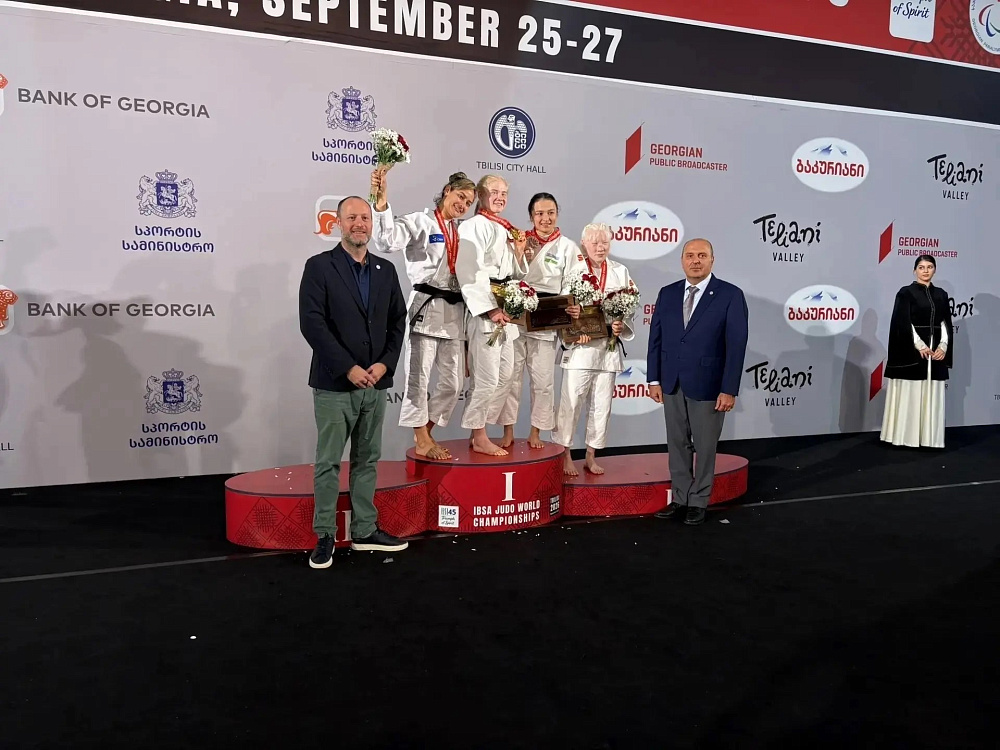
Earlier, on September 25, Darya Stakanova became world champion in the J2W 60 kg category.
Thus, Russian judo athletes won 5 medals: 1 gold, 3 silver, and 1 bronze.
The Russian Paralympic Committee congratulates the athletes and coaches on winning well-deserved awards and wishes them success in future competitions!
The World Championships were attended by 17 judo athletes from Russia: Victoria Potapova (Moscow), Aminat Omarova (Republic of Dagestan), Alesya Stepanyuk (Moscow), Darya Stakanova (Saint Petersburg), Natalya Ovchinnikova (Perm Krai), Polina Marchukova (Lipetsk Oblast), Viktor Rudenko (Khabarovsk Krai), Artyom Merkulov (Republic of Bashkortostan), Abdula Omarov (Republic of Dagestan), Magomedkhabib Saaduev (Republic of Dagestan), Alexander Zhuzhgov (Perm Krai), Magomedzakir Magomedov (Republic of Dagestan), Shakhban Kurbanov (Republic of Dagestan), Saado Abdurakhmanov (Republic of Dagestan), Pavel Selivanov (Krasnoyarsk Krai), Yaroslav Andrievsky (Zaporozhye Oblast), and Ilyas Magomedov (Republic of Dagestan). The participation of Russian athletes was organized with the support of the Russian Sports Fund.
Using materials from the All-Russian Federation of Sports for the Blind.
Blind sports judo was first included in the Paralympic Games program in 1988 in Seoul, and in Athens in 2004 women took part in judo competitions for the first time. The main difference in the rules is that judo athletes begin competing while holding each other's kimono (this grip is called "kumikata"), and if the athletes' connection is broken, the referee stops the bout with the command "mate" (wait), or "stop," and the athletes return to the starting position. During the bout, which lasts five minutes, participants are awarded points for throws, holds, hooks, and choking techniques. The judo athlete who has scored more points in total is declared the winner. The main difference from other elite judo competitions is that contact with the opponent is permitted before the bout begins, for orientation purposes. At the XVI Summer Paralympic Games in Tokyo, Victoria Potapova, Alesya Stepanyuk, and Anatoly Shevchenko won bronze medals.