

Specialists from more than 50 countries in Moscow take part in the Russian Paralympic Committee Conference on sport‑functional classification in adaptive sports
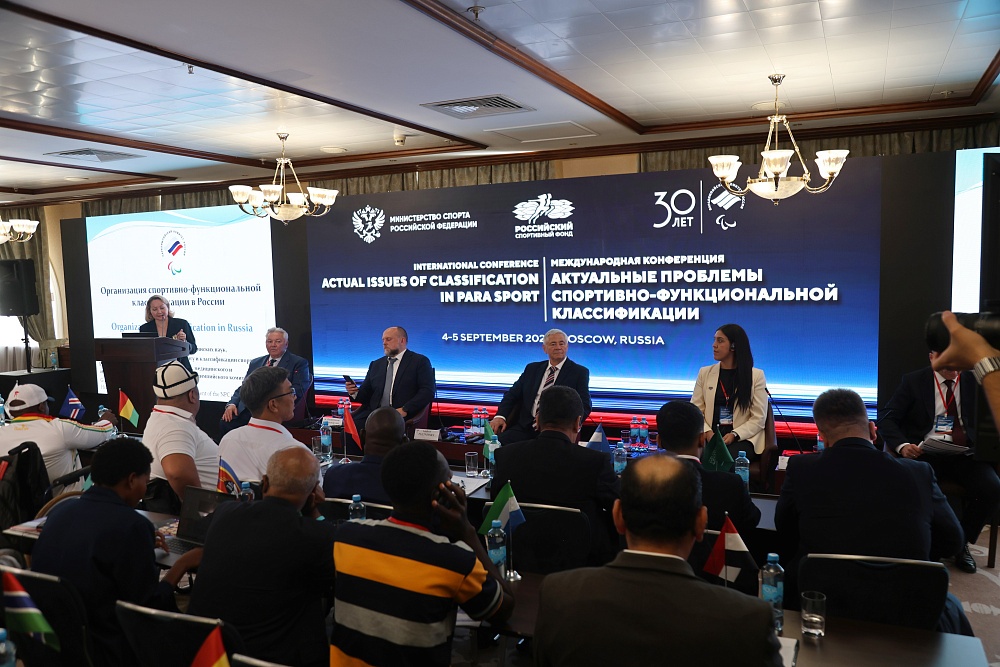
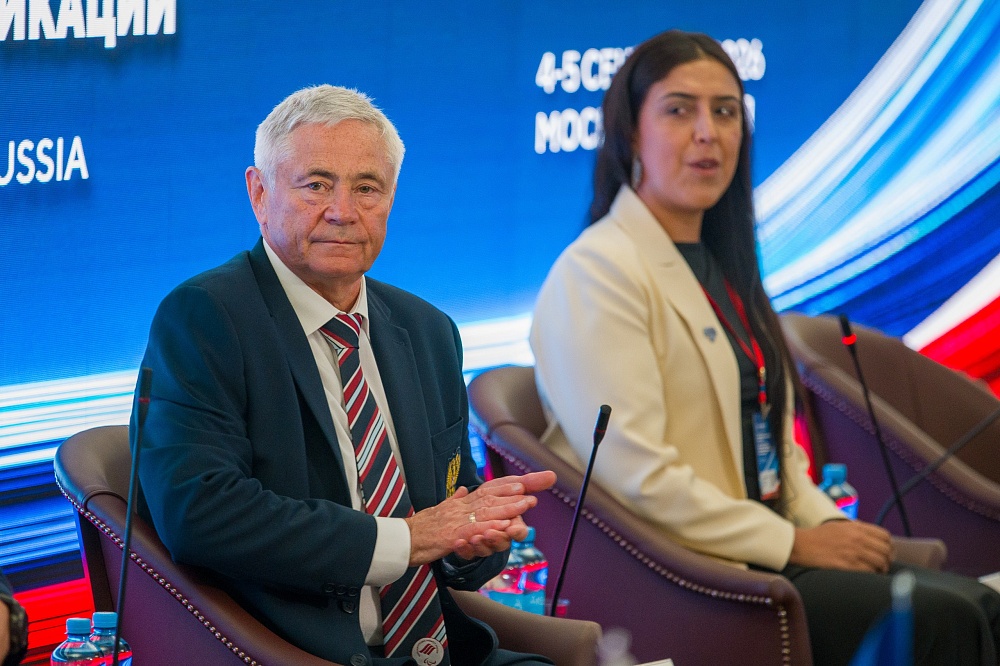
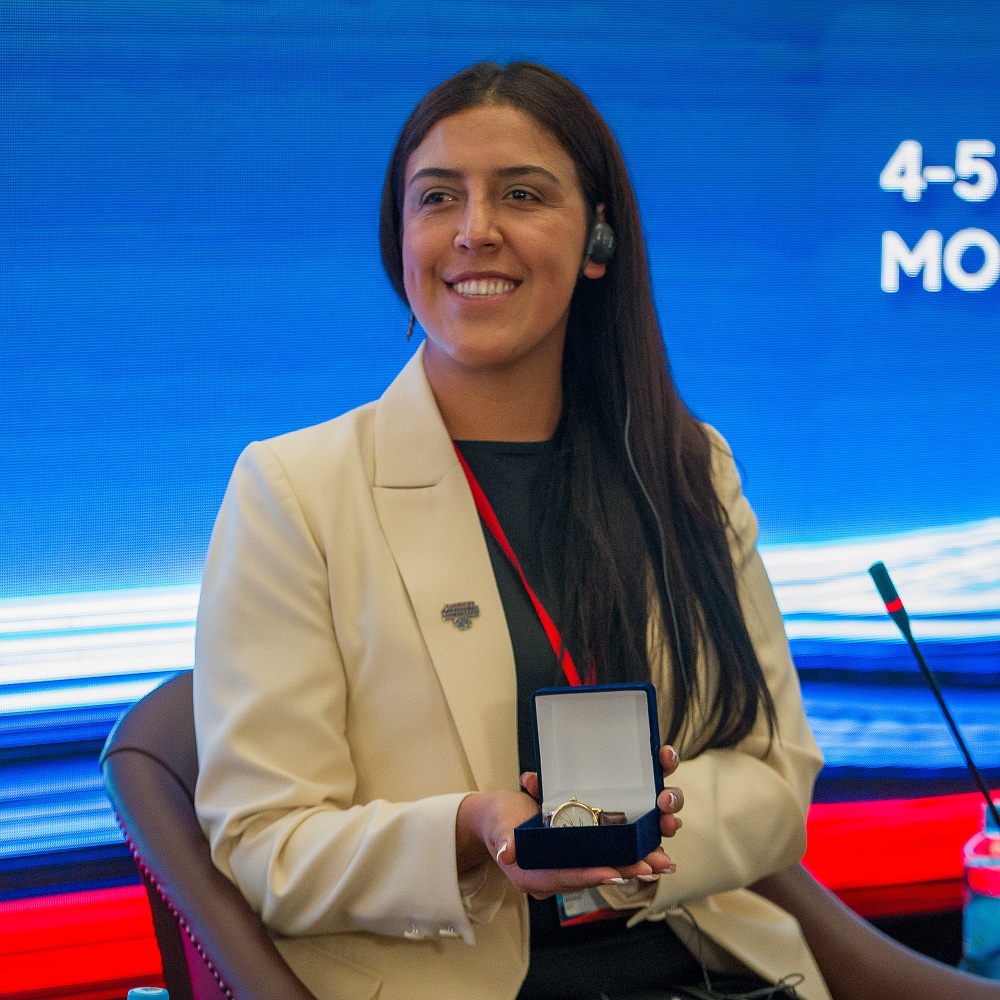
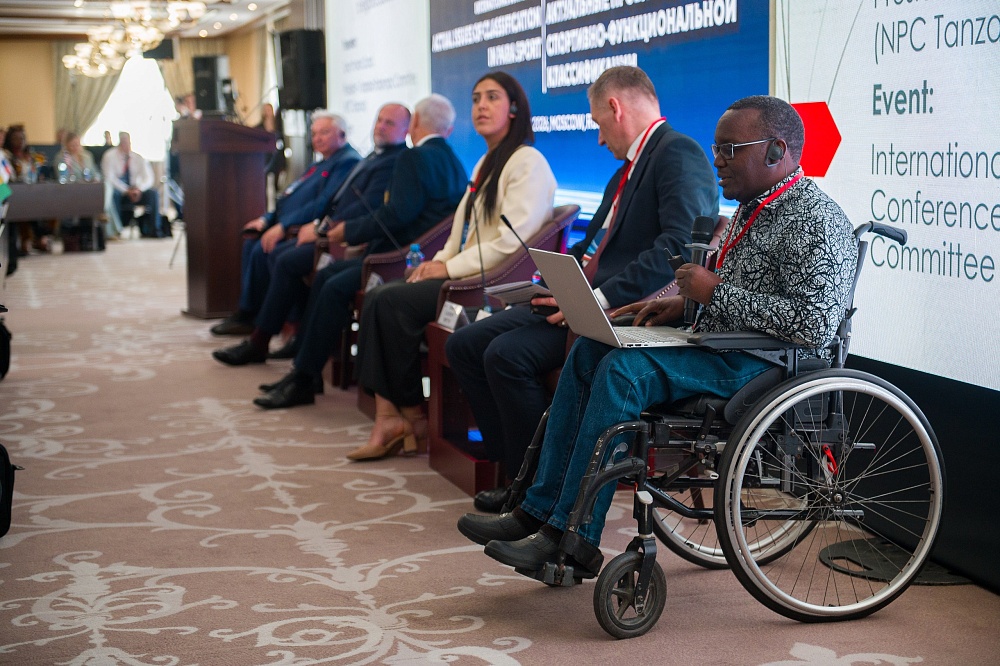
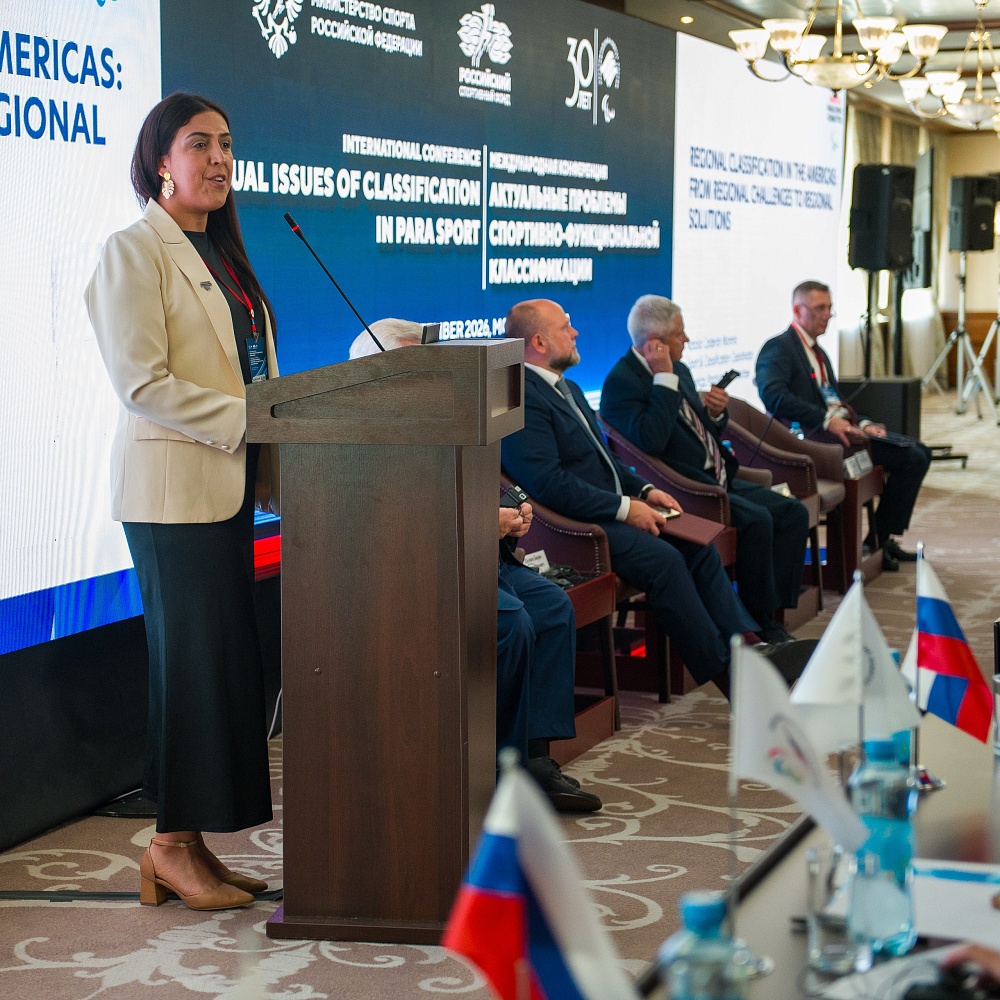
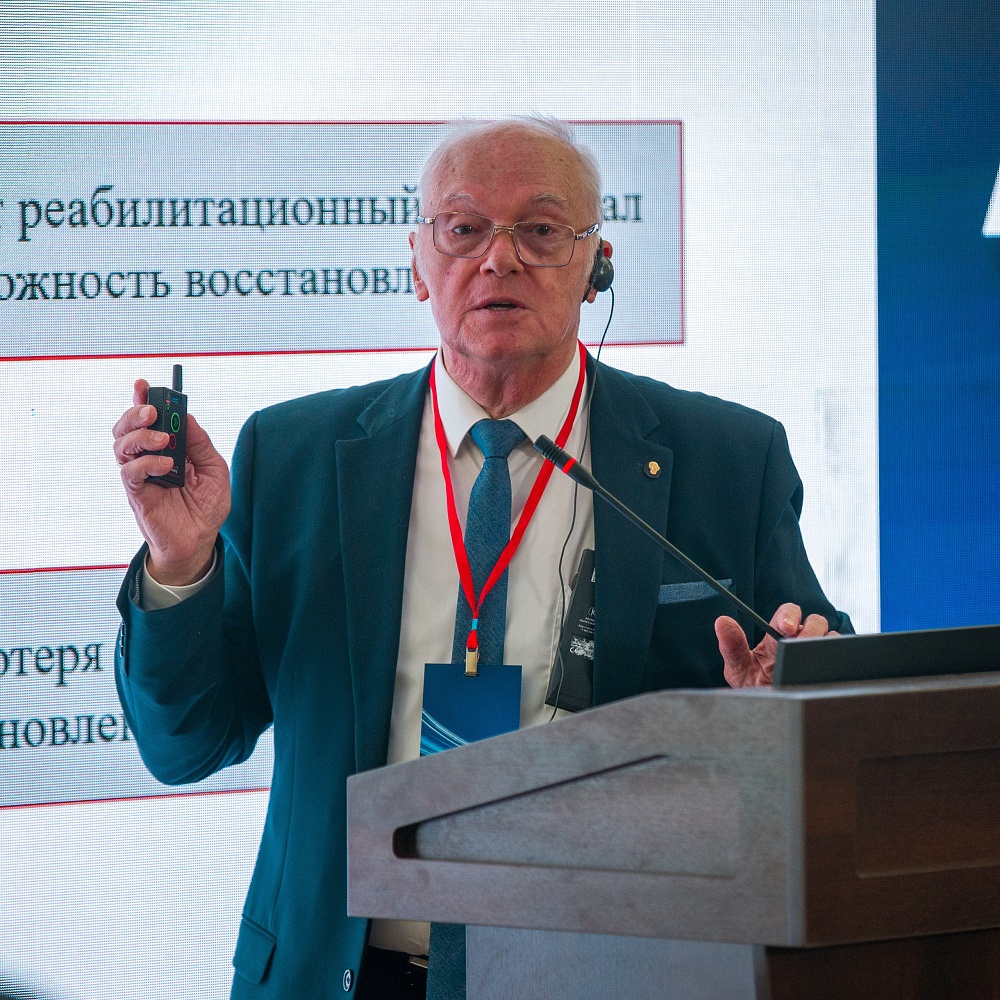
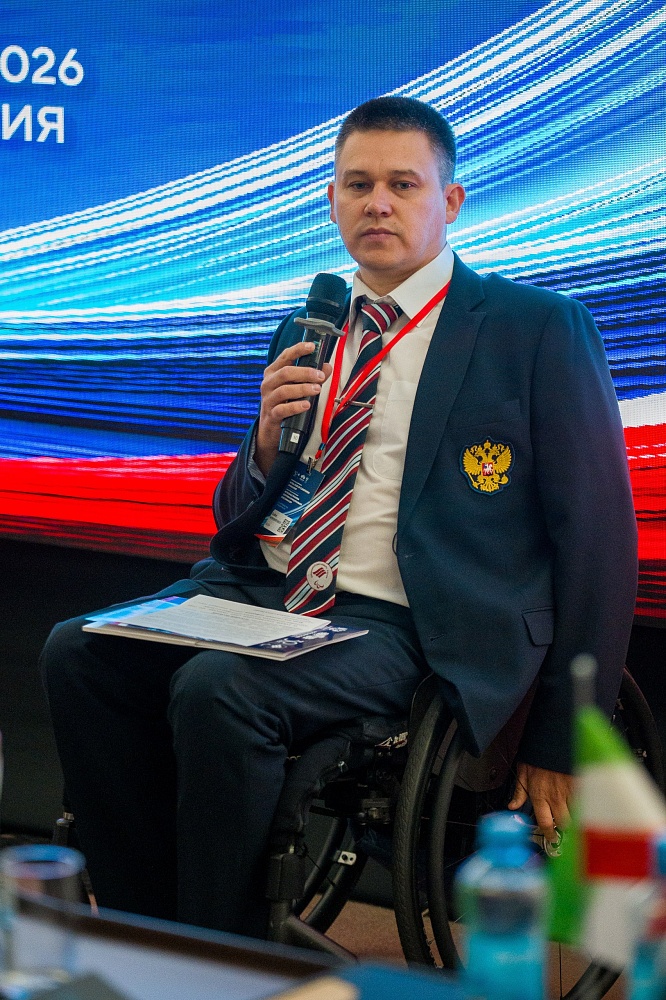
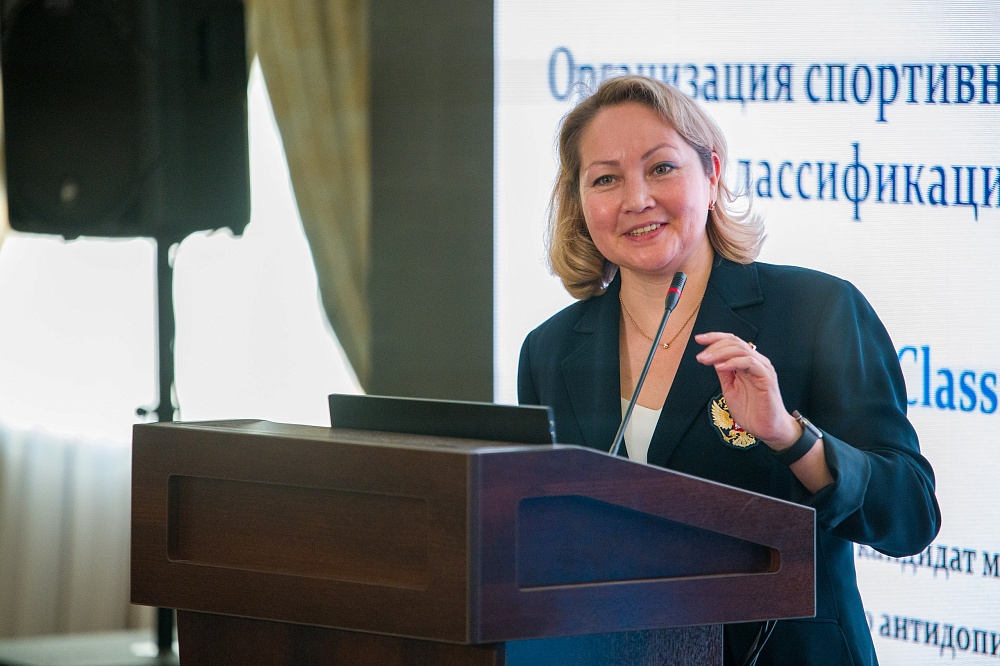
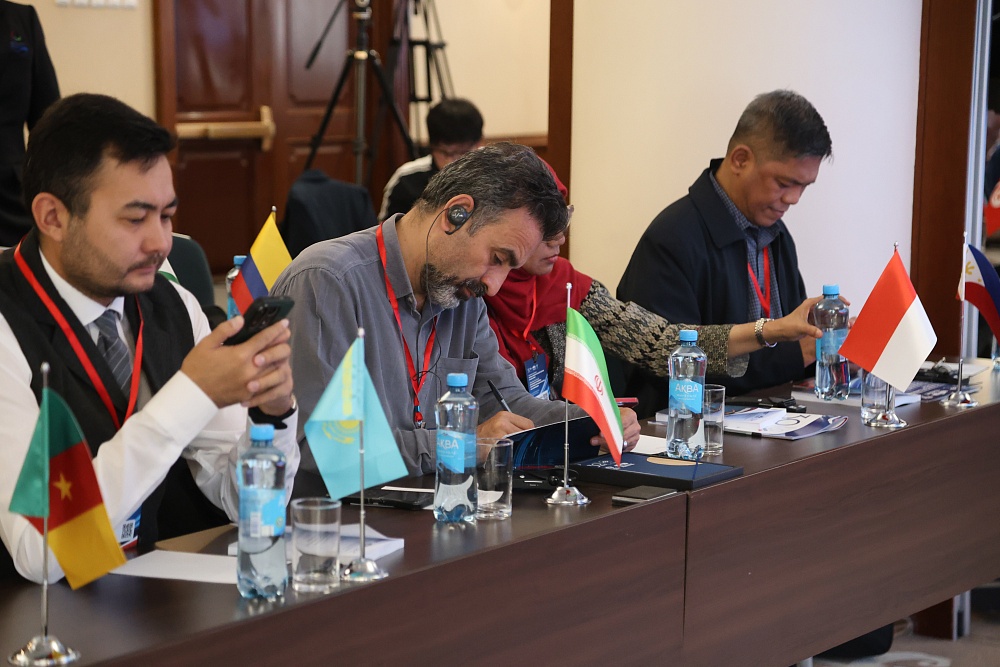
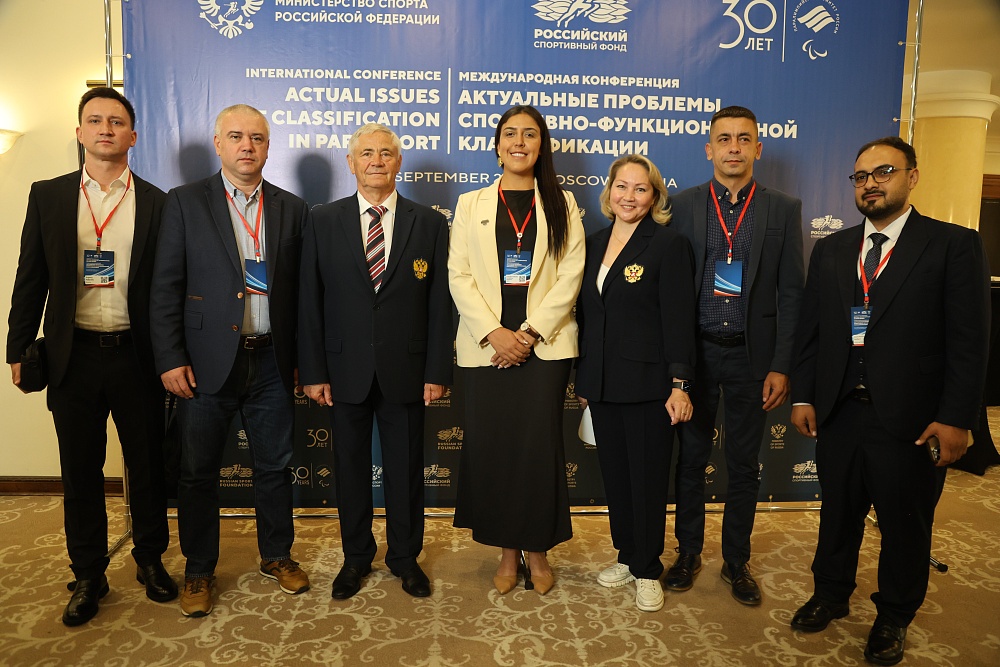
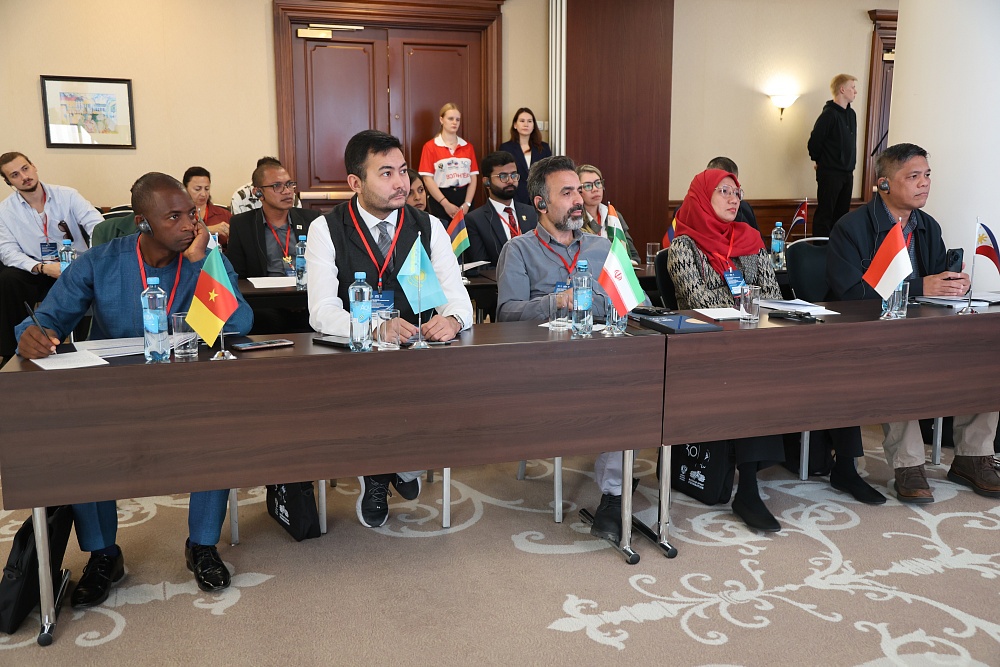
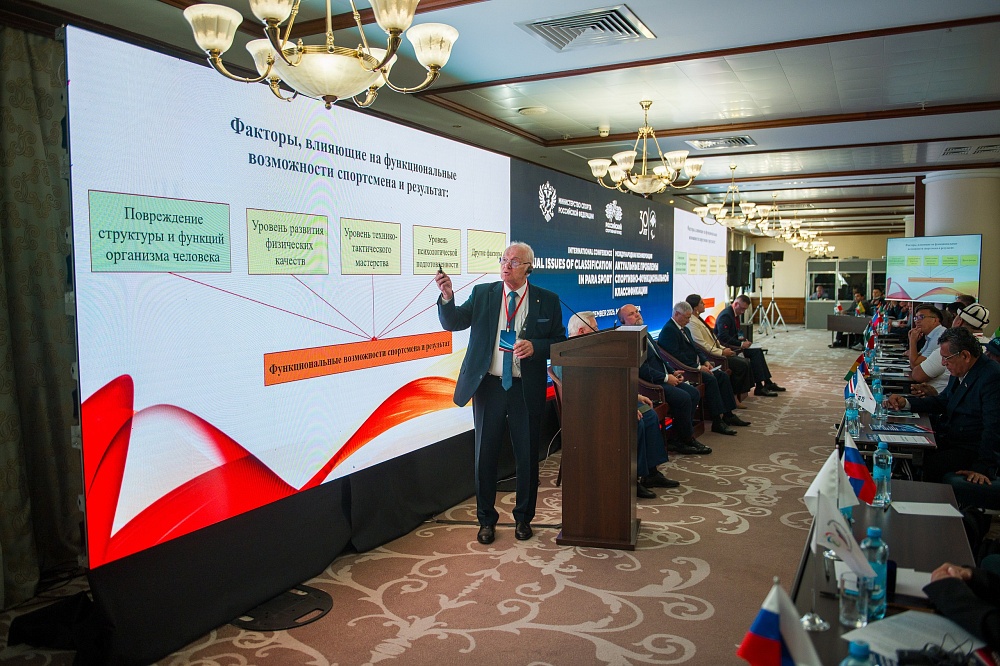
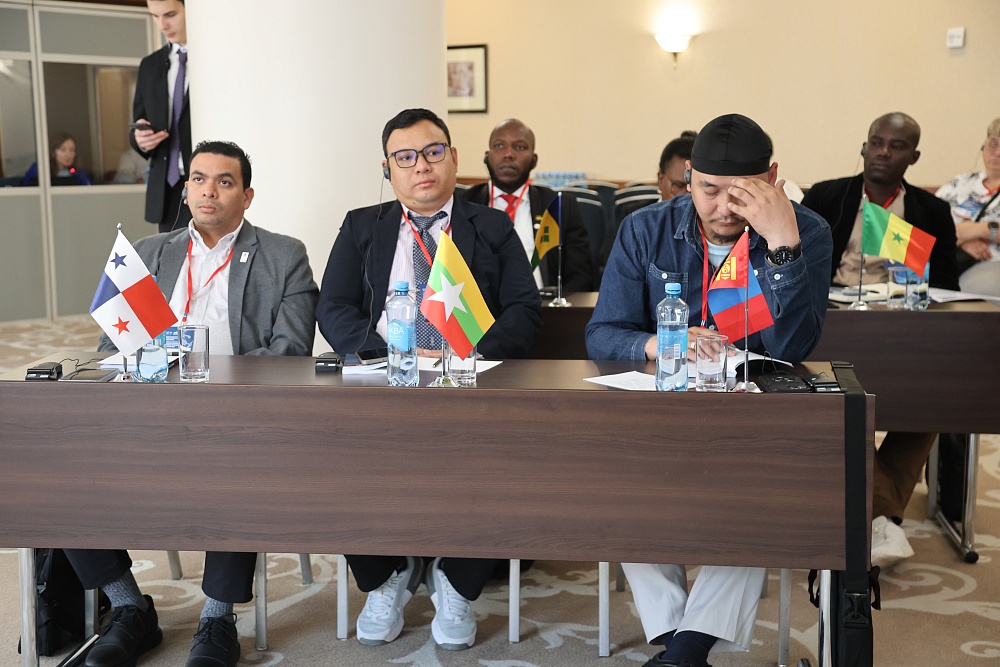
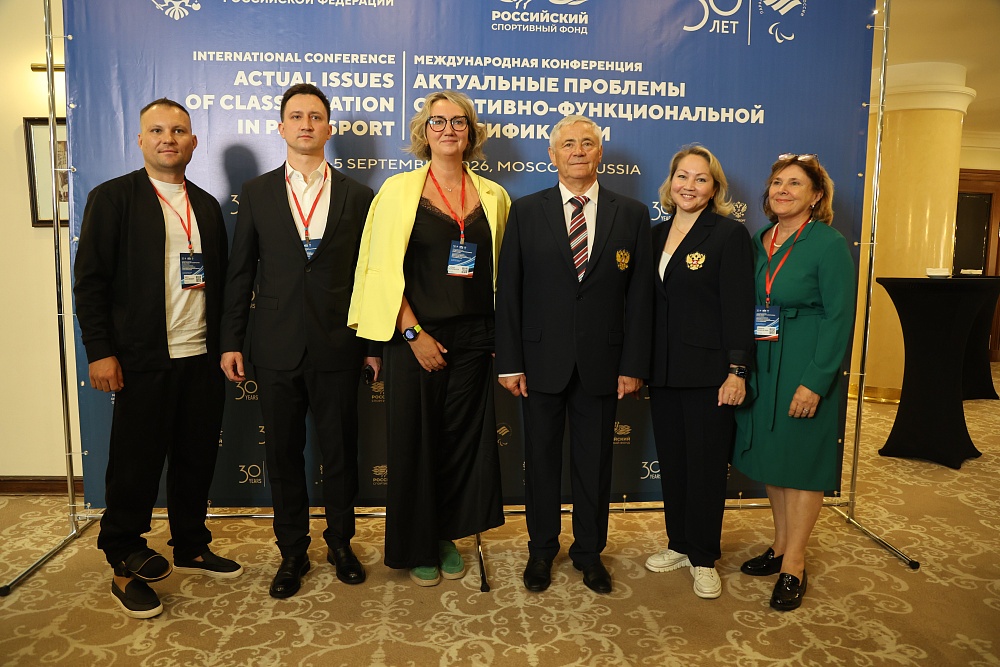
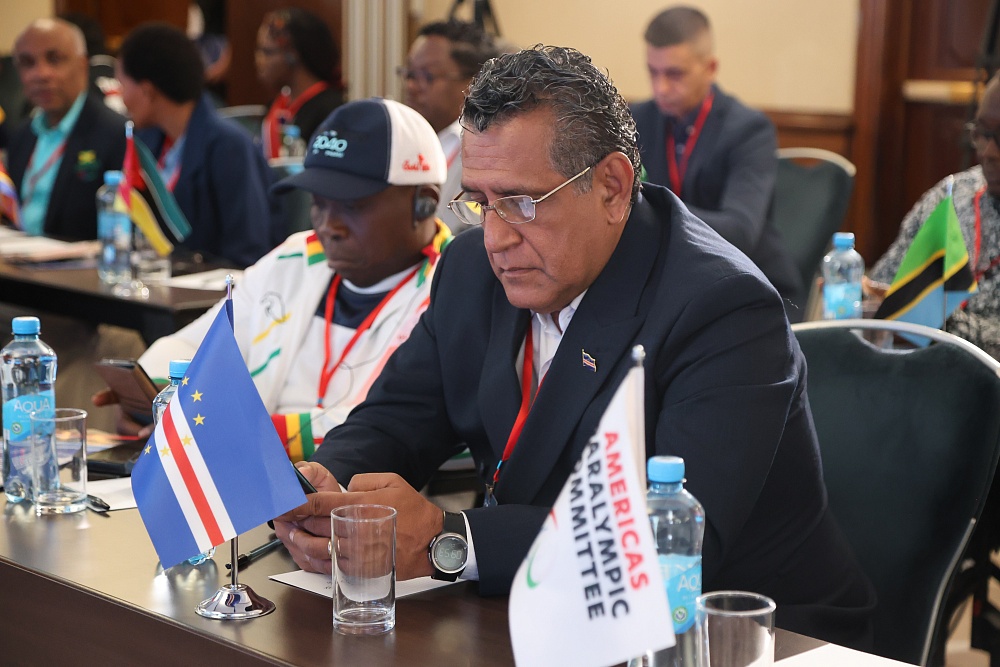
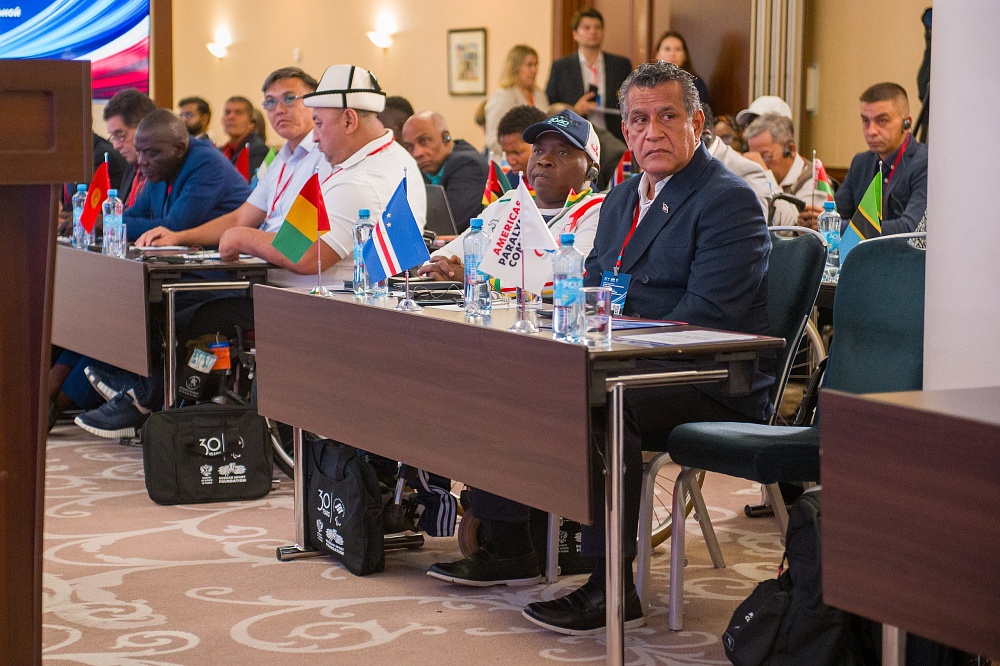
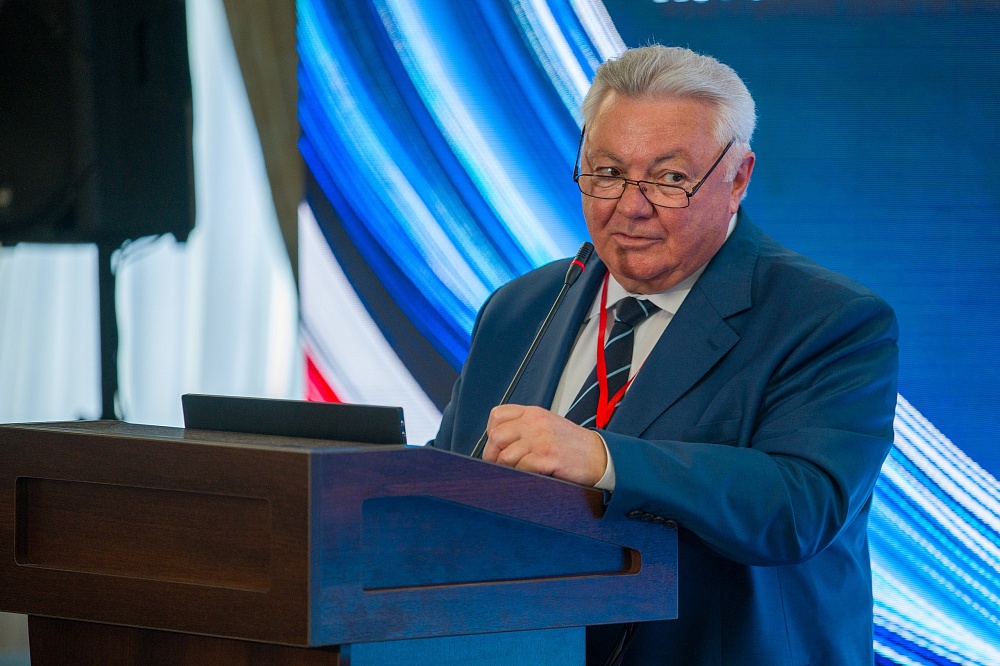
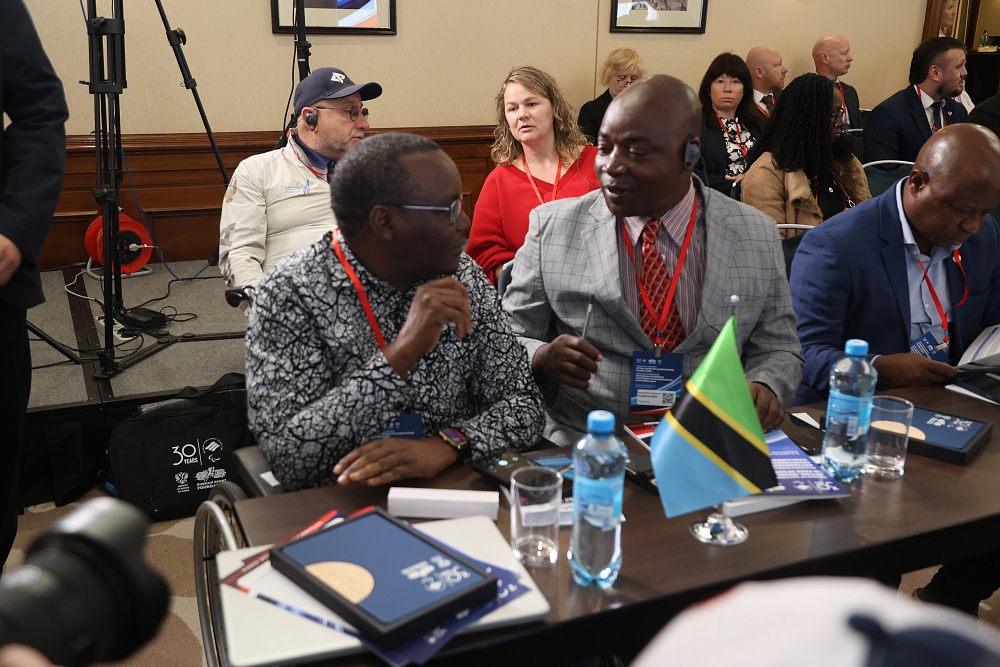
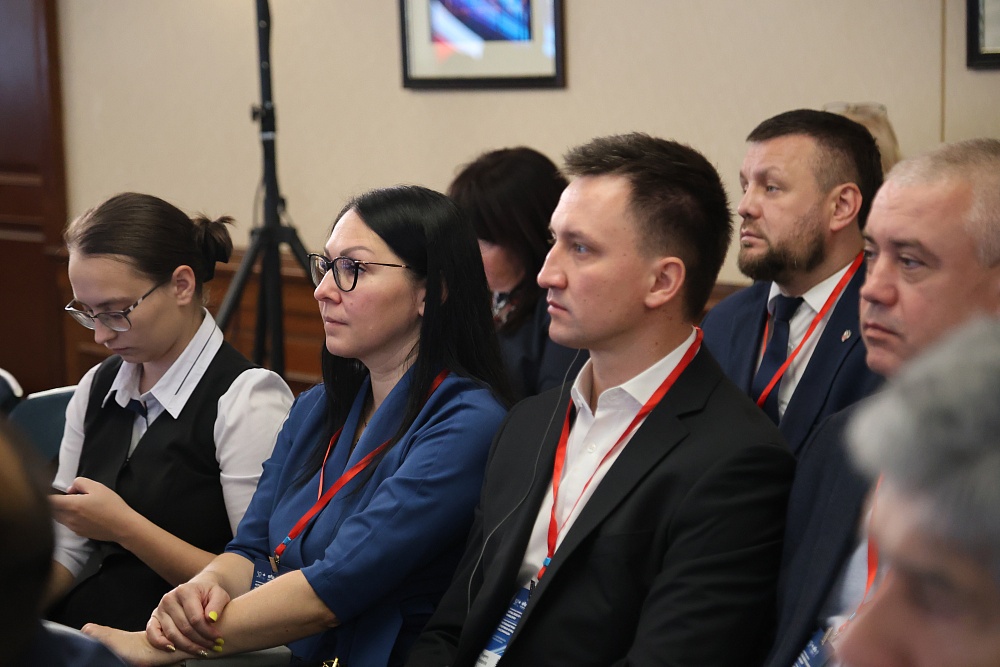
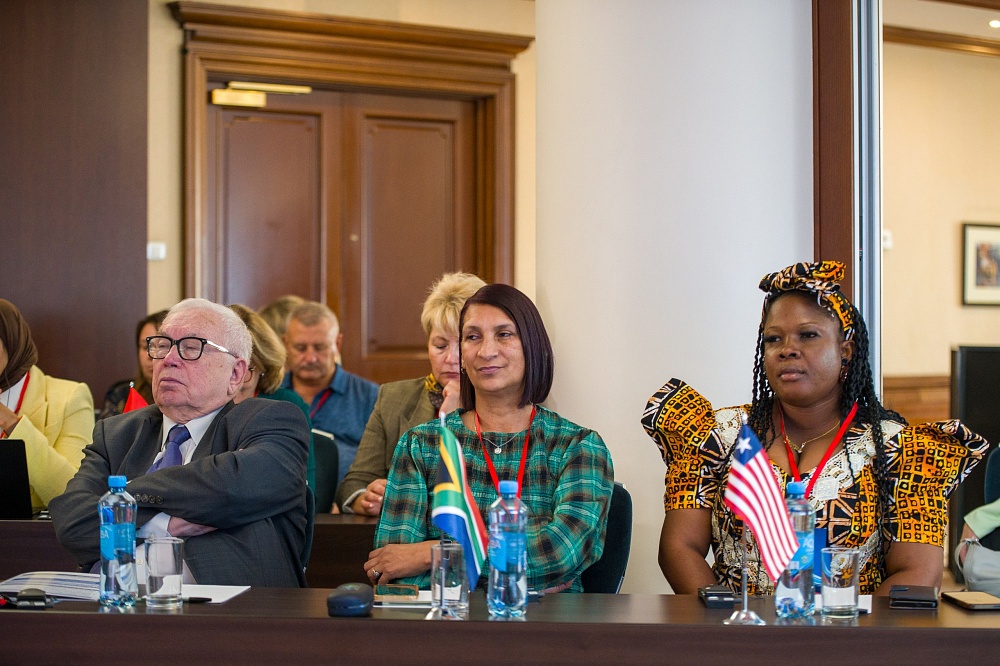
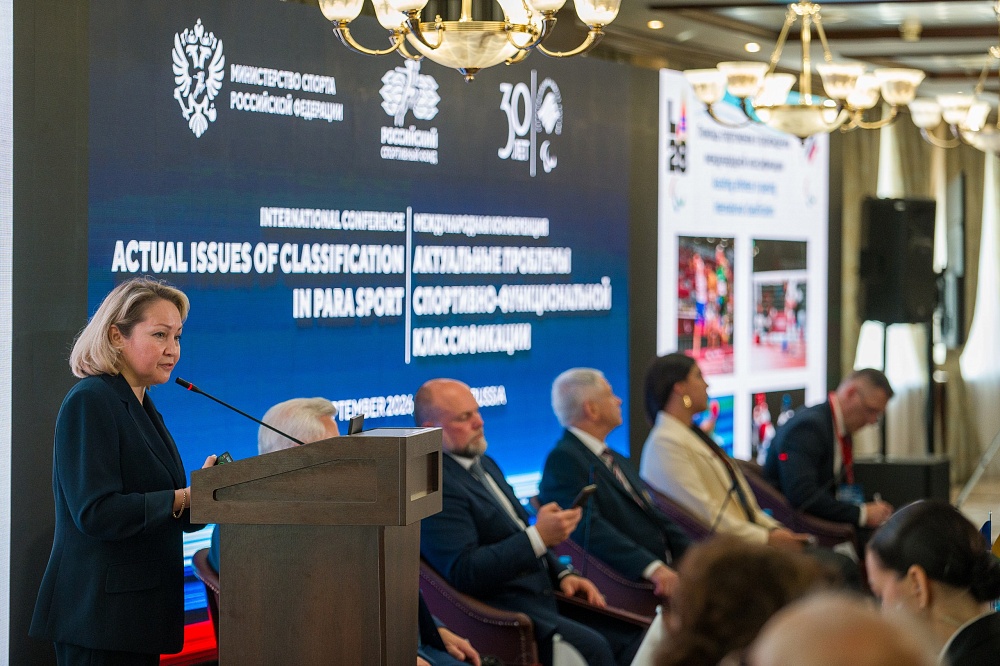
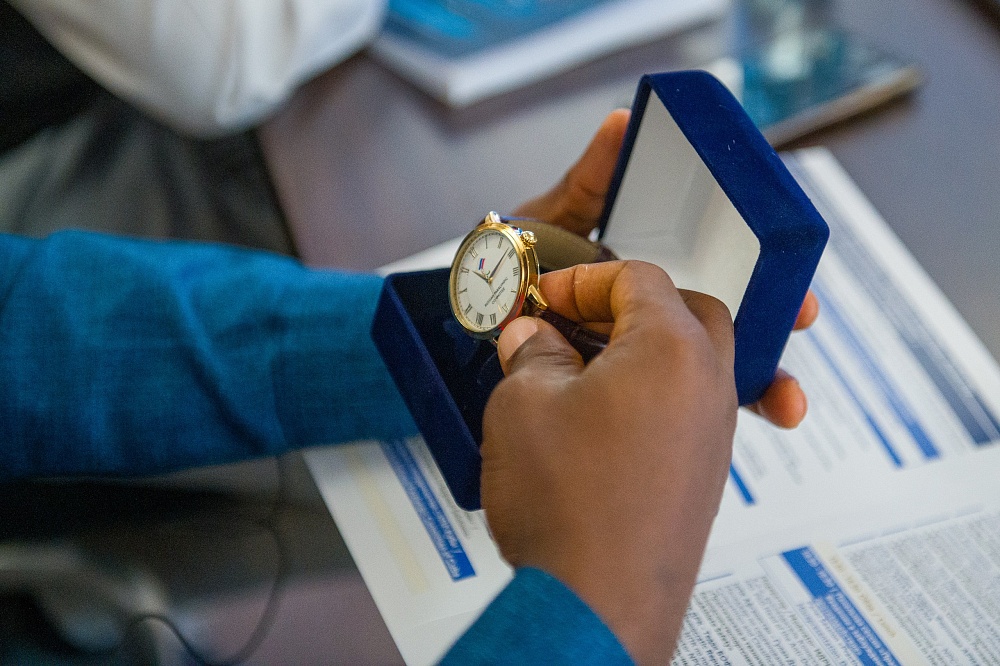
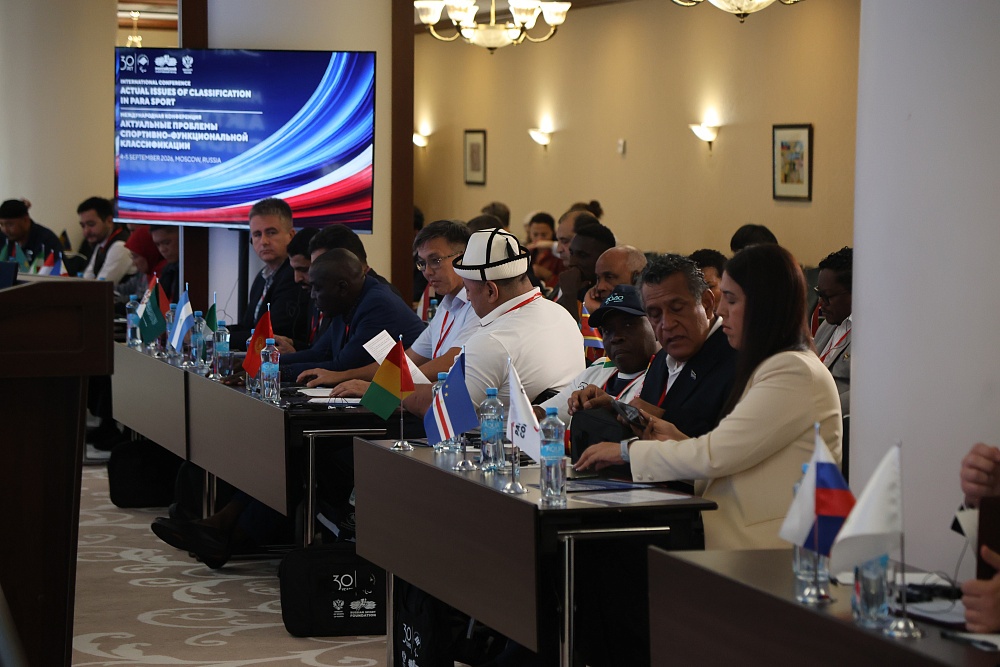
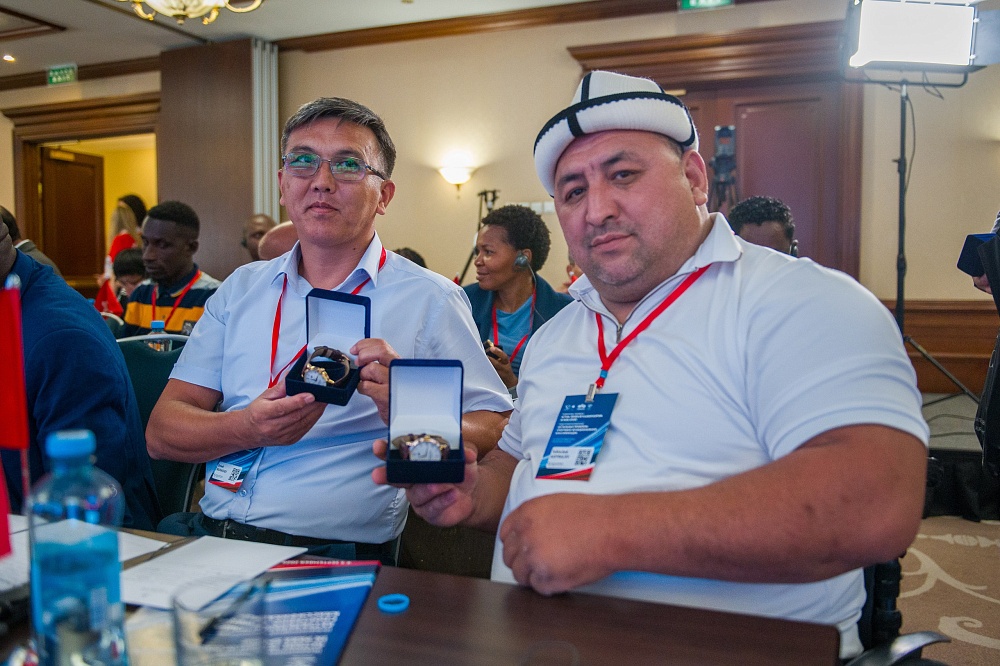
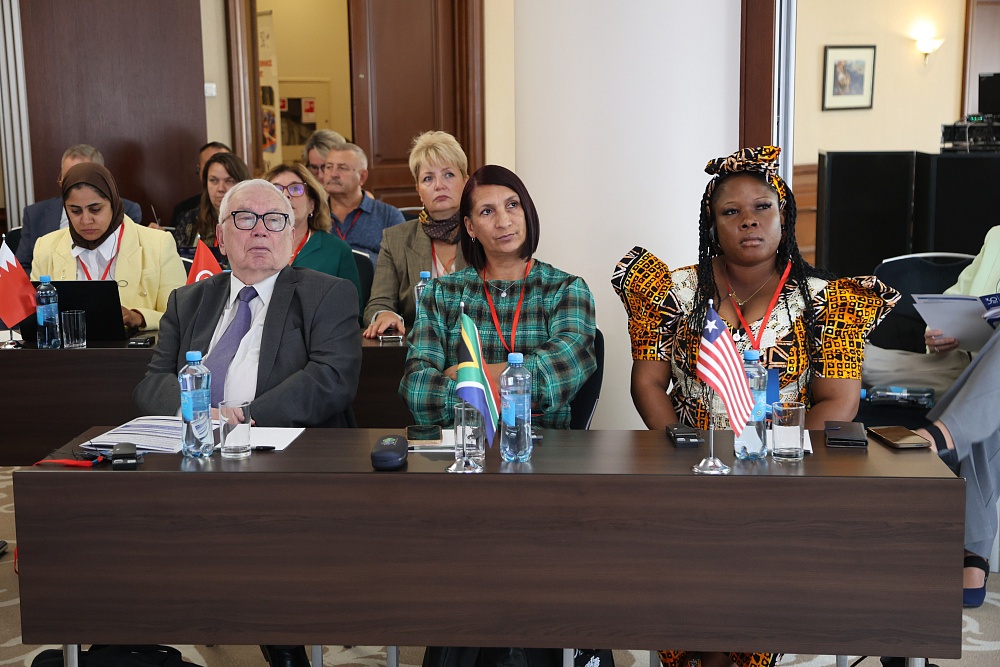
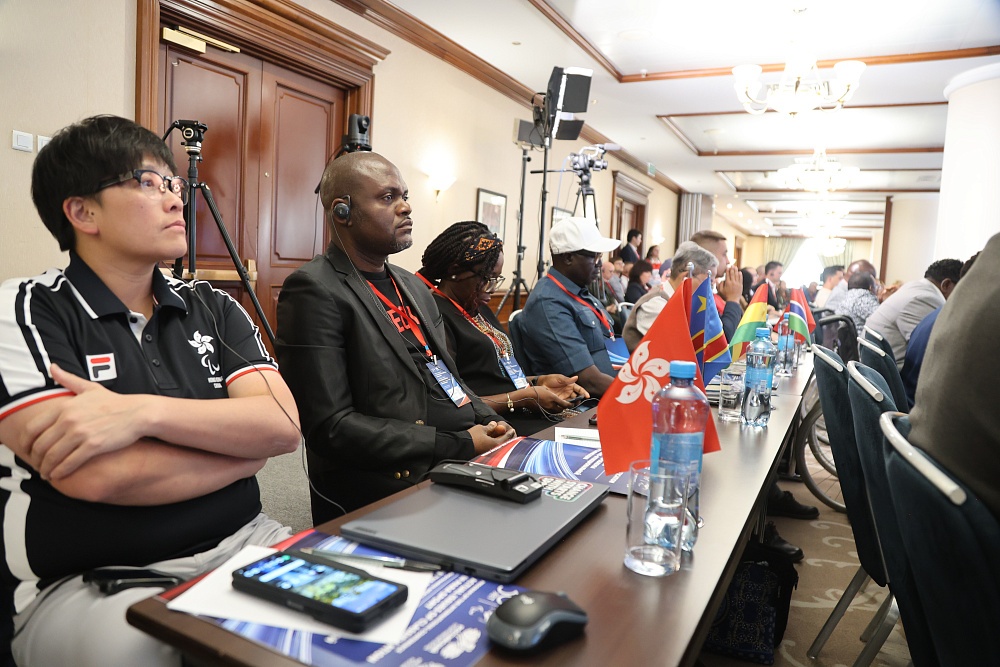
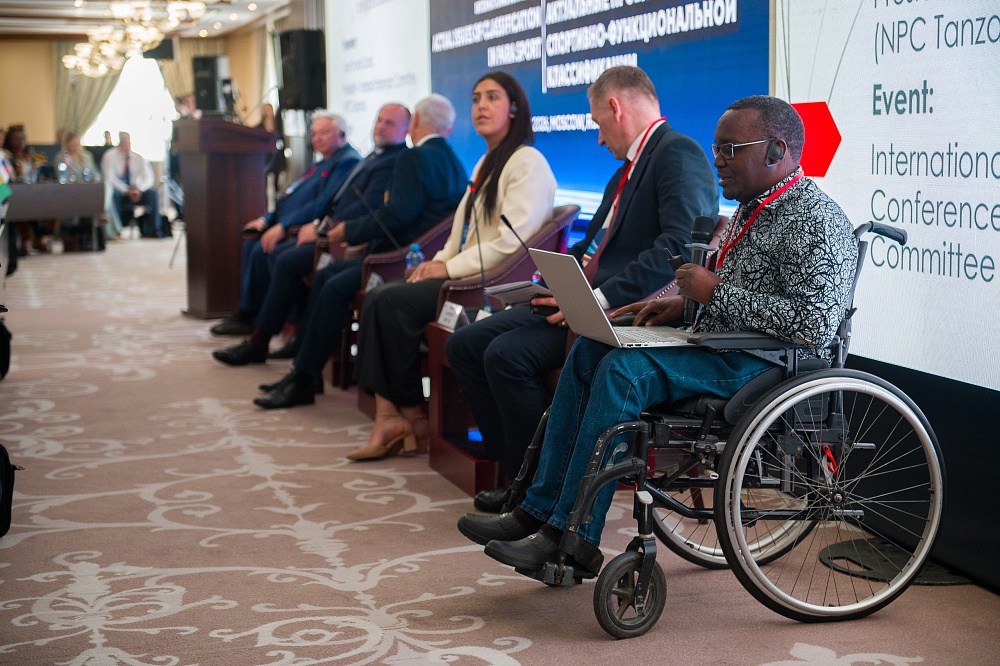
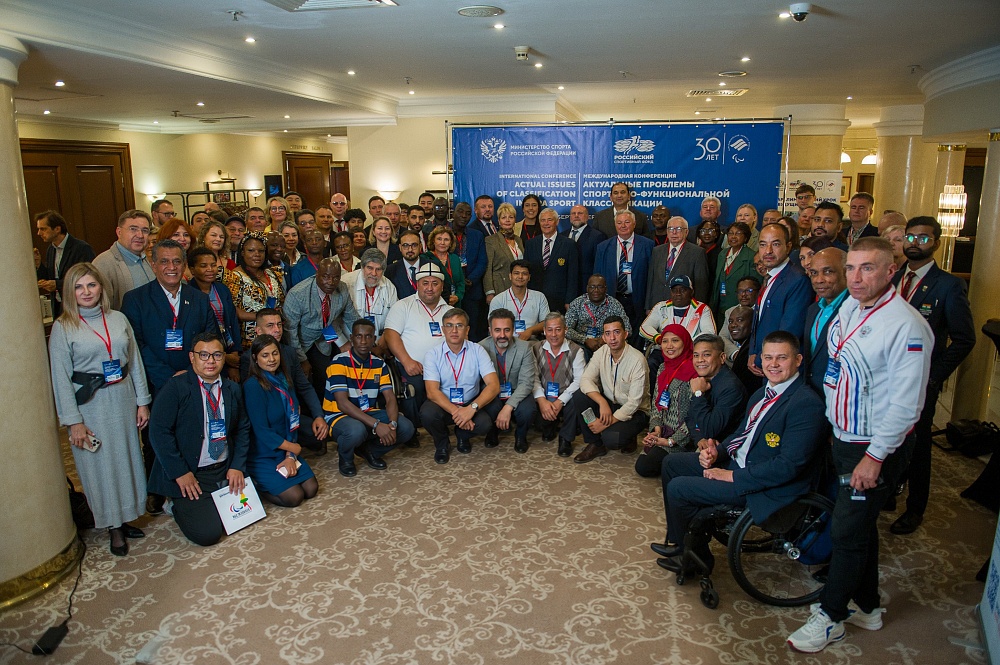
International Conference "Current Issues of Sport-Functional Classification in Adaptive Sports" held in Moscow
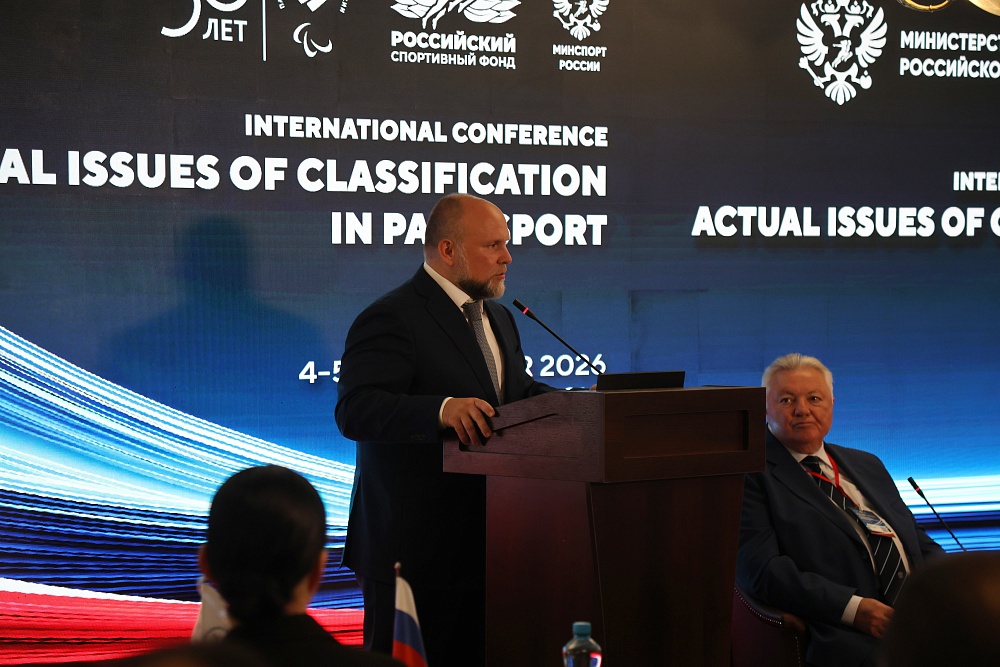
From September 4 to 5, the Russian Paralympic Committee, with the support of the Ministry of Sport of the Russian Federation and the Russian Sports Fund, is holding the International Conference "Current Issues of Sport-Functional Classification in Adaptive Sports" in Moscow.
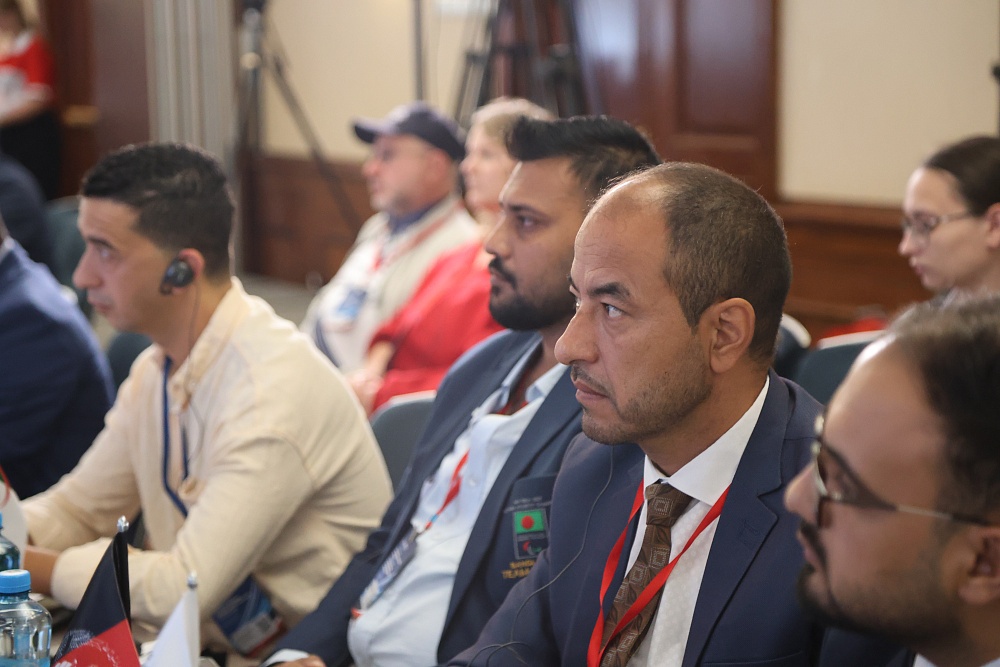
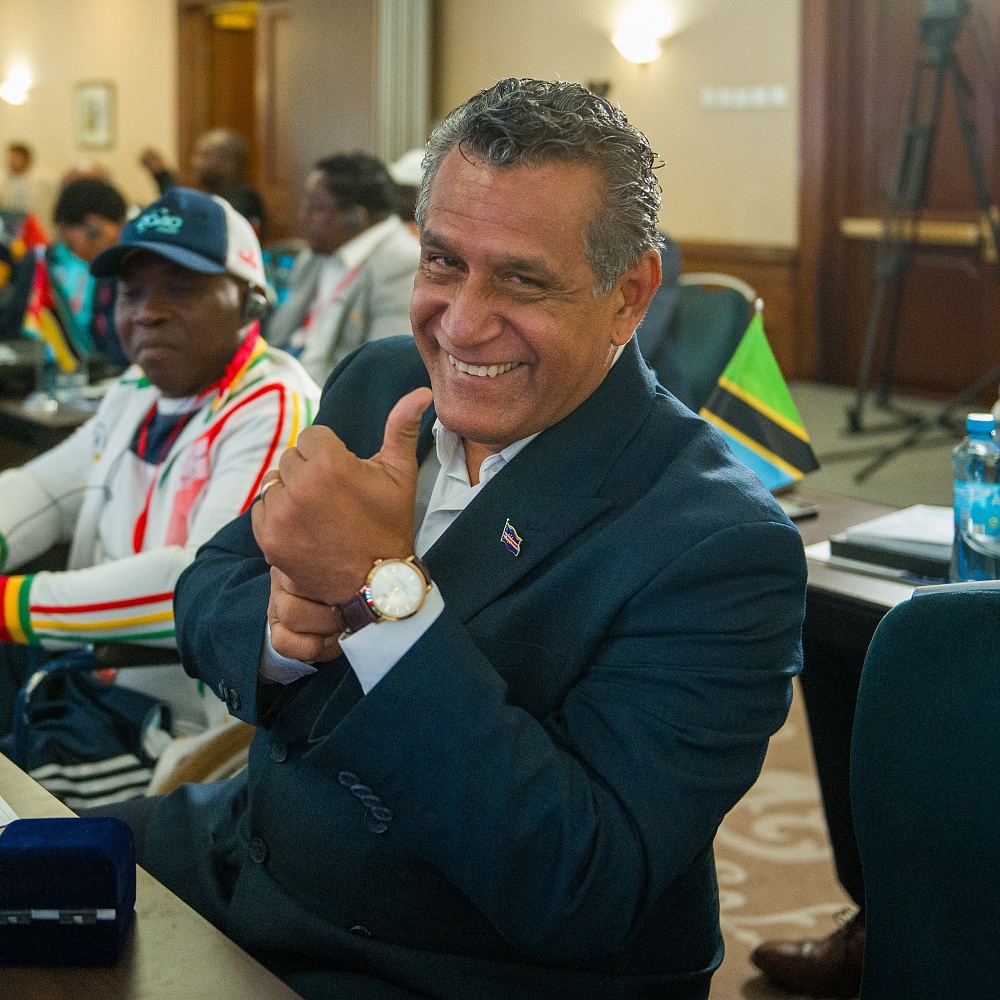
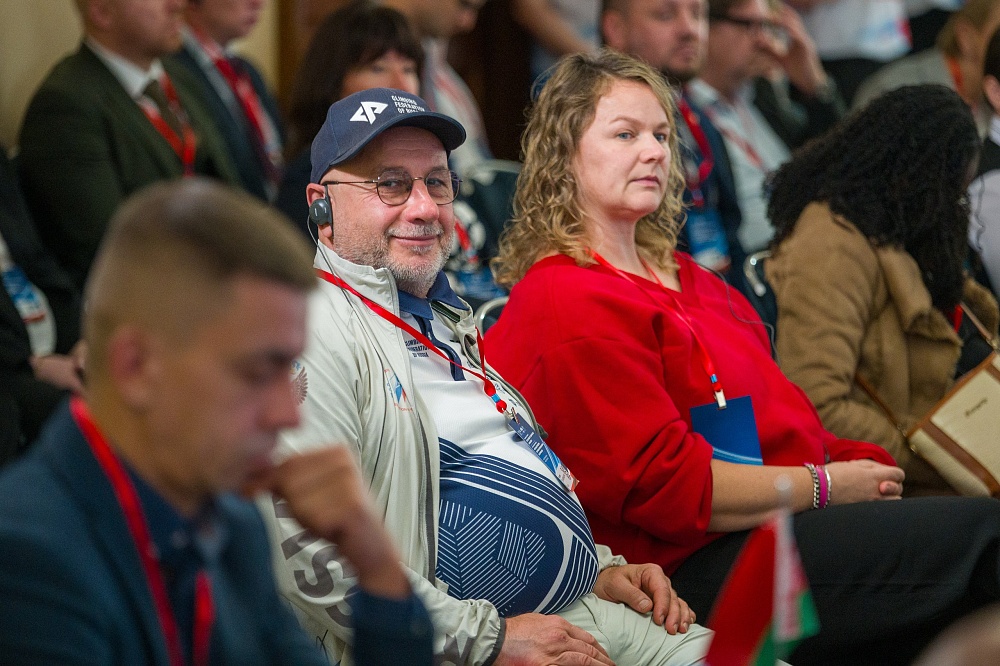
The conference is attended by heads and representatives of national paralympic committees, international and national sports organizations, classifiers, leading experts and specialists in the field of adaptive sports and sports science – representatives from more than 50 countries around the world.
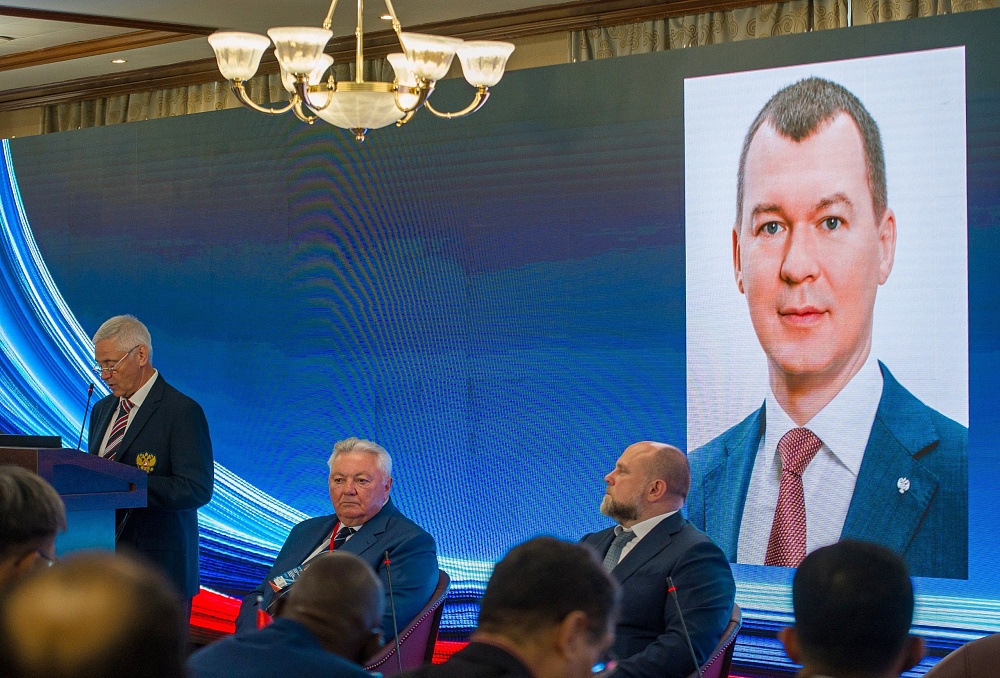
A welcoming address to the conference participants was sent by Mikhail Degtyarev, Minister of Sport and Chairman of the Russian Olympic Committee, who stated:
"Dear friends!
I welcome the participants, organizers, and guests of the International Conference 'Current Issues of Sport-Functional Classification in Adaptive Sports'!
President of Russia V.V. Putin has repeatedly emphasized the importance of equal international cooperation in the sports sphere. The conference unites national paralympic committees and experts from different countries to exchange experience and discuss pressing issues of sport-functional classification.
I am confident that constructive dialogue and the solutions developed will serve the further progress of the international paralympic movement and open up new opportunities for athletes around the world.
I wish you faith, hope, and love, because love for Russia and for sport is what unites us!" – the address reads.
The relevance and significance of the conference topic have been acknowledged by the International Paralympic Committee. In her address to the participants, Thea Cysic, Director of Classification at the IPC, noted:
"It is wonderful that the Russian Paralympic Committee has taken the initiative to bring together representatives of the Paralympic Movement to discuss classification issues and establish cooperation. I look forward to the outcomes of the conference and am confident that everyone will find something important for themselves in it. Today, as we are at the stage of implementing the Classification Code and the International Paralympic Committee International Standards 2025, is a key moment for networking and discussing all aspects of classification…" – "It is extremely important that all stakeholders involved in the classification process – athletes, support staff, classifiers and other classification specialists, National Federations, National Paralympic Committees, International Federations, and the IPC – work together and fulfill their functions and responsibilities regarding classification and the classification process…" – "At the IPC, we are always ready to provide support and would be happy to connect with our colleagues from National Paralympic Committees to learn more about the conference's successes and future opportunities for cooperation."
The business program of the conference opened with the plenary session "International Cooperation in Classification: Global Challenges and Joint Solutions in Paralympic Sport," which began today in the conference hall of the Safmar Aurora Lux Hotel.
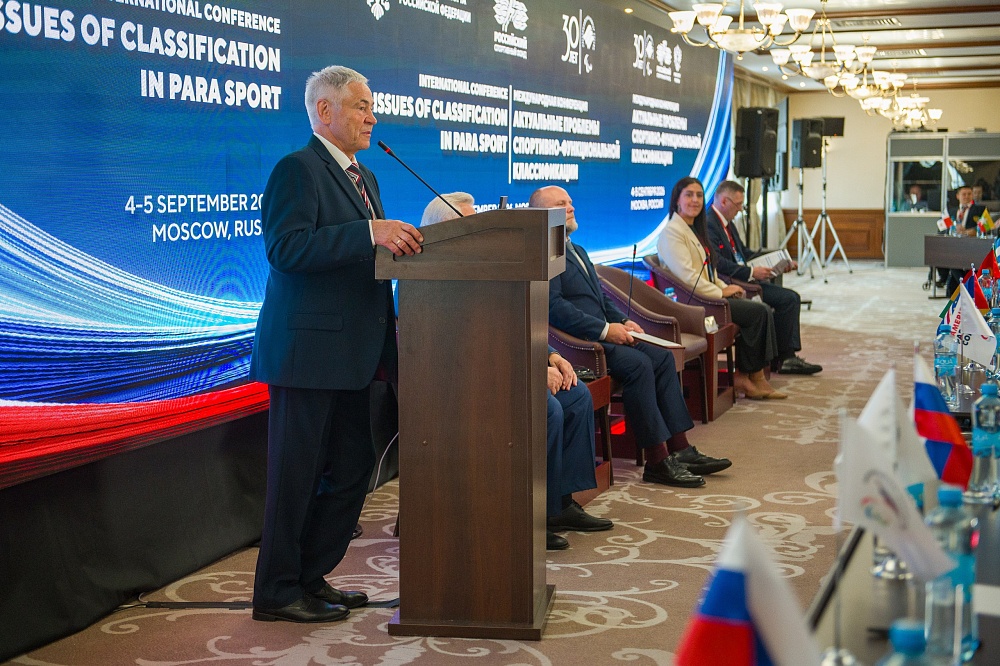
Addressing the participants, Pavel Rozhkov, President of the Russian Paralympic Committee, emphasized the importance of improving the sport-functional classification system, international cooperation, and the exchange of experience among specialists:
"The subject matter of the conference is of great importance for the entire global paralympic movement. The entry into force of the new International Paralympic Committee Classification Code, as well as the IPC International Standards, including the new International Standard on Intentional Misrepresentation, requires us to respond in a timely manner.
Fair, objective, and transparent sport-functional classification is not just a technical procedure. It is the foundation of fair competition and a guarantee that victory goes to the strongest, not to those who managed to mislead the classification commission. That is why these issues are always at the center of attention of the global paralympic movement.
To address important classification issues and challenges, international cooperation, dialogue, and the exchange of experience among specialists are crucial. This will allow us to improve standards and ensure equal opportunities for all athletes.
The Russian Paralympic Committee has established a systematic approach in this direction, including conducting its own educational programs for the training and professional development of classifiers. I am convinced that our experience can be useful to colleagues from other countries.
Currently, we are improving our national strategy in accordance with the requirements of the new IPC Classification Code.
I am confident that the decisions made during our conference will become an important contribution to the further development of paralympic sport, will serve to strengthen its authority, and will help us together build a future based on the principles of honesty, fairness, and equality.
I wish all participants productive work, vibrant discussions, and new professional achievements!"
The plenary session was also attended by Andrey Plutnitsky, Deputy Minister of Health of the Russian Federation; Mikhail Khorev, Ambassador-at-Large of the Russian Ministry of Foreign Affairs and Special Representative of the Minister for International Sports Cooperation; Boris Polyaev, President of the Russian Association for Sports Medicine and Rehabilitation of the Sick and Disabled; Natalia Calderon, Chief Classifier and Sports Coordinator of the American Paralympic Committee; as well as other Russian and international specialists.
Throughout the day, panel sessions will be held on the IPC Classification Code 2025, international experience in organizing classification, practical and technical issues of sport-functional classification, detection of intentional misrepresentation, and the specifics of classification in blind sports.
Speakers will include representatives of the national paralympic committees of Bangladesh, Ghana, Colombia, Nepal, Afghanistan, Congo, and Iran, as well as Russian classifiers, doctors, scientists, coaches, and Paralympic athletes.
A live broadcast of the conference's business program is available on the VKontakte platform (https://vkvideo.ru/live-124698094_456241769) and YouTube (https://youtube.com/live/njHTInV_G9Y?feature=share).
On September 5, the second day of the conference, a roundtable discussion titled "The Role of Classification in Attracting People to Adaptive Sports. New Types of Adaptive Sports" will take place at the Demonstration and Educational Center of the Russian Paralympic Committee.
As part of the program, participants will discuss the role of sport-functional classification in choosing a sport and involving persons with disabilities, including children with disabilities, in adaptive sports. They will also take part in a Paralympic lesson and master classes featuring Paralympic athletes and coaches of the national team, during which they will explore the work of the RPC Demonstration and Educational Center and visit the Paralympic Sports Museum.
Sport-functional classification of athletes is conducted to ensure that competitions in adaptive sports are fair and that athletes compete among those with similar physical capabilities.
The scientific-practical conference on classification is being held for the first time in Russia and currently serves as an international discussion platform for addressing current issues in conducting sport-functional classification and improving approaches to assessing athletes' physical impairments.
The conference gains particular significance from the entry into force of the new International Paralympic Committee Classification Code and the updated IPC International Standards. During the event, Russian and international specialists are discussing current classification issues, exchanging experience, and considering prospects for further international cooperation in this field.